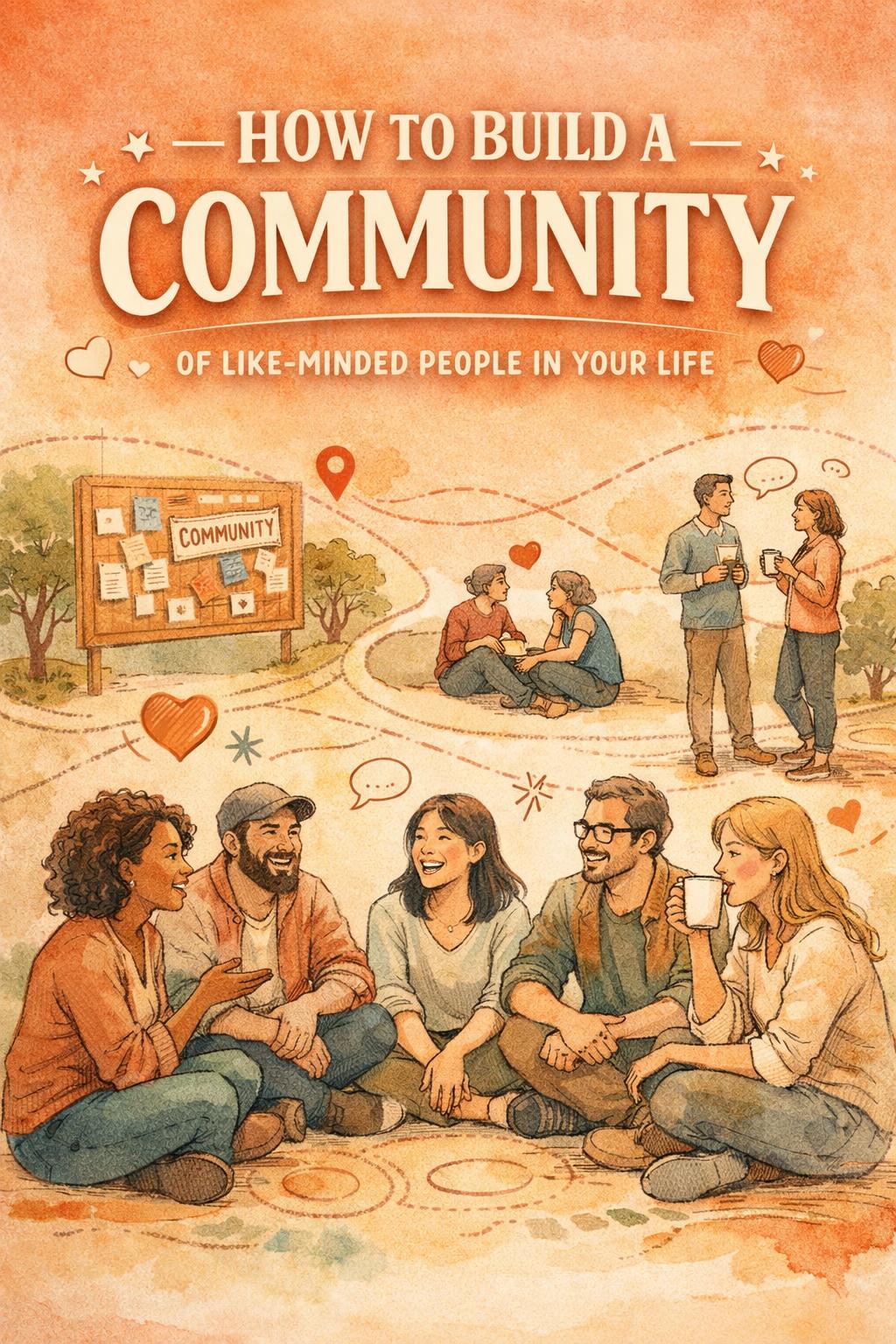

Many people feel lonely even when surrounded by others. The difference often comes down to having real connections with people who understand your interests and beliefs. Building a community of like-minded people starts with knowing what matters to you, then actively seeking out spaces and groups where others share those same values.
Having people you can rely on makes life better in many ways. Building a supportive social circle helps with personal growth and gives you comfort during hard times. A strong group of friends provides emotional support and new ways to think about problems.
The good news is that creating meaningful connections doesn't require special skills or a huge time commitment. With some clear steps and patience, you can bring together people who share your passions and build relationships that last. This guide will show you exactly how to find your people and create the community you've been looking for.
Key Takeaways
- Know your values and interests before looking for your community
- Create spaces where people feel welcome and want to participate
- Keep relationships strong by staying engaged and helping your community grow
Identifying Your Core Values
Understanding what matters most to you makes it easier to find people who share similar beliefs and priorities. Your core values act as a filter for the kinds of relationships and communities that will feel meaningful and authentic.
Assessing Personal Interests
Start by making a list of activities that make you lose track of time. These moments reveal what naturally draws your attention and energy. Do you feel most alive when solving problems, creating art, helping others, or learning new skills?
Pay attention to how you spend your free time and money. Your choices show what you prioritize, even if you haven't thought about it before. Someone who regularly volunteers at animal shelters values compassion and animal welfare differently than someone who spends weekends hiking alone.
Think about the moments when you felt most proud of yourself. What were you doing? Who were you with? Identifying what drives you helps attract others with similar ambitions.
Write down at least five interests that consistently show up in your life. These don't have to be hobbies. They can include topics you read about, problems you want to solve, or causes you care about.
Clarifying Your Passions
Your passions run deeper than casual interests. They're the things you'd pursue even without recognition or payment. Think about what makes you angry or frustrated in the world. These strong reactions often point to your deeper values.
Ask yourself what you'd do if money wasn't a concern. Would you teach, build things, advocate for change, or spend time in nature? Your answer reveals what truly matters to you beyond survival needs.
Consider the people you admire most. What qualities do they have? The traits you respect in others often reflect your own core values. If you admire someone's honesty, integrity probably matters to you too.
Core values are fundamental beliefs that guide your behaviors and decisions. They help you understand what feels essential to who you are.
Defining Non-Negotiables
Non-negotiables are the boundaries you won't cross, no matter what. These might include honesty, family time, personal growth, or respect. Think about past relationships or group situations that didn't work out. What values were being violated?
Make a list of deal-breakers in friendships and communities. Maybe you can't connect with people who don't value punctuality, environmental responsibility, or open communication. Being clear about these limits saves time and energy.
Your non-negotiables help you recognize when a community isn't right for you. If a group regularly asks you to compromise on something fundamental, that's a sign to look elsewhere. Using your personal values creates a foundation for making these decisions easier.
Write down three to five values you refuse to compromise on. These become your guide for evaluating potential communities and relationships.
Finding Your Ideal Audience
You need to know who you're looking for before you can find them. Understanding what makes someone compatible with your interests and values helps you focus your search in the right places.
Researching Communities
Start by making a list of your main interests, hobbies, and values. Write down specific activities you enjoy, not just broad categories. For example, instead of writing “fitness,” specify “early morning trail running” or “powerlifting.”
Search online for groups that match these specific interests. Look on platforms like Meetup, Facebook Groups, Reddit, or Discord servers. Read through recent posts and comments to get a feel for how people interact.
Pay attention to group size and activity level. A smaller, active group often works better than a large, quiet one. Check when the last post was made and how many people regularly participate.
Visit local community centers, libraries, or hobby shops to find bulletin boards with event listings. Ask staff members if they know of any regular meetups related to your interests.
Recognizing Shared Goals
Look for people who want similar outcomes from the community. Someone joining a book club to discuss themes deeply has different goals than someone who just wants casual socializing.
Notice how potential community members talk about their interests. Do they want to learn and improve? Are they looking for accountability partners? Understanding their motivations helps you identify if they match yours.
Watch for people who share your approach to activities. If you prefer structured learning with clear progress markers, you'll connect better with others who value the same. If you like loose, creative exploration, find people with that mindset.
Connecting with people who share your core values makes relationships more meaningful. Values matter more than surface-level interests when building lasting connections.
Spotting Compatibility Clues
Observe how people communicate in online spaces or at events. Do they ask questions and show genuine interest in others? This indicates someone who values community over self-promotion.
Look for consistent participation patterns. People who show up regularly and contribute thoughtfully are more likely to become reliable community members.
Notice energy levels and communication styles. Some people prefer quiet, thoughtful discussions while others thrive on energetic debates. Neither is wrong, but matching these preferences creates smoother interactions.
Pay attention to how people handle disagreements. Those who can disagree respectfully and stay curious about different perspectives often make the best community members.
Starting Meaningful Conversations
Good conversations help you connect with people who share your values and interests. The way you ask questions, listen, and build trust determines whether a casual chat turns into a real friendship.
Asking Thoughtful Questions
Deep conversation starters help you learn more about people and create stronger connections. Instead of asking yes-or-no questions, use open-ended questions that let people share their thoughts and experiences.
Ask about someone's interests, dreams, and what matters most to them. Questions like “What are you passionate about?” or “What's something you're looking forward to?” give people room to open up.
Identifying your own interests and values helps you ask better questions. When you know what matters to you, you can find common ground with others more easily.
Stay curious about their answers. Follow up on interesting points they mention. If someone talks about loving art, ask what kind of art they enjoy or what their favorite piece is.
Active Listening Skills
Active listening makes people feel comfortable and understood. Put your phone away and focus completely on the person speaking.
Pay attention to their words, tone, and body language. Nod to show you're following along. Make eye contact without staring.
Don't interrupt or plan your response while they're talking. Let them finish their thoughts before you speak. Repeat back what you heard to make sure you understood correctly.
Ask follow-up questions based on what they just said. This shows you're genuinely interested in what they're sharing. People notice when you remember details from earlier conversations.
Building Trust from the Start
Trust forms when you're genuine and consistent in your interactions. Share something real about yourself to encourage others to do the same.
Be honest about your thoughts and feelings. You don't need to overshare personal details right away, but being authentic helps people feel safe around you.
Keep conversations you have private unless someone says it's okay to share. When people know you respect their privacy, they trust you more.
Show up when you say you will. Being reliable in small ways builds trust over time. Return messages within a reasonable time and follow through on plans you make.
Creating Welcoming Spaces
The physical and digital environments where your community gathers directly impact how comfortable people feel participating and connecting with others. The platforms you select, the tone you establish from day one, and the guidelines you put in place all work together to make members feel safe and valued.
Choosing the Right Platforms
Pick platforms that match how your community wants to interact. If your group prefers quick conversations and updates, Discord or Slack works well. For longer discussions and resource sharing, Facebook Groups or Reddit might be better choices.
Think about accessibility when making your choice. Some people struggle with apps that require constant notifications or complex navigation. Simple, easy-to-use platforms help more people join and stay active.
Consider where your target members already spend their time. You'll have better participation if you meet people where they are rather than asking them to learn a new platform. Test a few options with a small group before committing to one.
Look for platforms that let you organize wellness events and connect with others effectively. The right tools should make communication easier, not harder.
Setting an Inclusive Tone
Start every interaction with warmth and openness. When new members join, greet them personally and help them feel welcome right away. Share your own story to show vulnerability and encourage others to open up.
Use language that makes everyone feel included regardless of their background or experience level. Avoid inside jokes or references that only long-time members understand. Creating safe spaces for dialogue helps people participate honestly without fear of judgment.
Model the behavior you want to see. Ask questions, listen actively, and thank people for contributing. Celebrate small wins and acknowledge different perspectives. When you show genuine interest in what members share, others will follow your lead.
Establishing Community Guidelines
Clear rules help everyone understand what behavior is acceptable. Write guidelines that are specific but not overwhelming. Cover basics like respecting others, staying on topic, and handling disagreements constructively.
Make your guidelines visible and easy to find. Post them where new members will see them during signup. Include examples of both good and problematic behavior so there's no confusion about expectations.
Create consequences that match the severity of violations. Minor issues might need a friendly reminder, while serious problems require immediate action. When you implement feedback mechanisms and enforce rules consistently, members trust that the space stays safe for everyone.
Review and update your guidelines as your community grows. What works for 20 people might not work for 200. Ask members for input on rules that affect how they interact and participate.
Encouraging Engagement and Participation
Getting people involved requires creating regular opportunities for interaction and recognizing the contributions members make to your community.
Hosting Events or Meetups
Regular gatherings give your community a rhythm and purpose. Start with monthly meetups that rotate between different formats like casual coffee chats, skill-sharing workshops, or group activities related to your shared interests.
Pick consistent days and times so people can plan ahead. First Saturdays or third Thursdays work well because they're easy to remember. You can alternate between in-person and virtual events to accommodate different schedules and comfort levels.
Keep the barrier to entry low. Free or low-cost events at accessible locations help more people join. Coffee shops, parks, libraries, and community centers often provide spaces for small groups without requiring reservations.
Ask for input on what people want to do next. Send a quick poll with three or four options and let the group decide. This shared ownership makes people more likely to show up and bring friends.
Fostering Collaboration
Working together on projects strengthens bonds faster than just talking. Identify goals that benefit from multiple perspectives and skill sets, like organizing a charity drive, creating a resource library, or planning a larger group event.
Building lasting relationships happens when people contribute their unique strengths. Match tasks to interests and abilities so everyone feels capable and valued. Someone good with design can handle flyers while an organized person manages logistics.
Create small working groups of three to five people for specific tasks. Smaller teams make it easier for quieter members to speak up and participate actively.
Set up simple ways to communicate between meetings. A group chat or shared document keeps momentum going and lets people collaborate on their own schedules.
Celebrating Achievements
Recognition motivates continued participation and shows people their efforts matter. Acknowledge both big accomplishments and small wins publicly during gatherings or in your group communications.
Thank individuals by name for specific contributions. “Thanks to Maria for organizing last week's workshop” means more than generic praise. Personal recognition makes people feel seen and appreciated.
Celebrate milestones together like membership anniversaries, completed projects, or personal achievements members share with the group. These moments build positive associations with your community.
Create simple traditions around recognition. You might end each meeting by sharing wins from the past month or maintain a digital wall where members post their successes. Effective community engagement relies on making people feel their participation creates real value.
Maintaining Positive Relationships
Strong connections need regular care through honest communication and mutual respect. When disagreements happen, address them calmly, and offer help without making others feel bad about their choices.
Resolving Conflicts Respectfully
Disagreements will happen in any relationship. The key is how you handle them.
Start by listening to the other person's perspective without interrupting. Let them finish speaking before you respond. This shows you value their thoughts.
Use “I” statements instead of “you” accusations. Say “I felt hurt when plans changed” rather than “You always cancel on me.” This approach keeps conversations from becoming attacks.
Pick the right time and place to discuss problems. Don't bring up serious issues when either person is tired, stressed, or in public.
Stay calm and keep your voice level. If you feel yourself getting angry, take a break and return to the conversation later.
Focus on solving the problem, not winning the argument. Look for solutions that work for both people. Sometimes you'll need to compromise.
Apologize when you're wrong. A simple “I'm sorry” goes a long way in repairing relationships.
Providing Support Without Judgment
Good friends offer help without criticizing. When someone shares a problem, listen first before giving advice.
Ask “Do you want my thoughts, or do you just need to vent?” This lets them guide the conversation. Sometimes people need to talk things through, not hear solutions.
Avoid phrases like:
- “I told you so”
- “You should have…”
- “Why didn't you…”
Instead, try supportive statements like “That sounds really hard” or “I'm here for you.”
Respect their decisions even if you would choose differently. Your role is to support them, not control their choices.
Show up when they need you. Send a text checking in, bring over food, or just sit with them. Small actions prove you care.
Nurturing Growth and Connection
A healthy community needs fresh ideas and the ability to change over time. Your group will stay strong when you welcome different viewpoints and adjust to new situations.
Inviting Diverse Perspectives
Your community grows stronger when you include people with different backgrounds and experiences. Seek out members who think differently than you do about certain topics while still sharing your core values.
Building meaningful connections works best when you create space for respectful disagreement. Let people share opinions that challenge your thinking without dismissing them right away.
Consider these ways to bring in diverse voices:
- Ask open-ended questions during group discussions
- Rotate who leads conversations or activities
- Create smaller breakout groups so quieter members can speak up
- Invite guest speakers from different fields or backgrounds
New perspectives help you see blind spots in your own thinking. They also prevent your community from becoming an echo chamber where everyone just agrees with each other.
Remember that diversity goes beyond obvious differences. Look for people with varied skills, work experiences, hobbies, and life stages who can each contribute something unique to the group.
Adaptability as Community Evolves
Your community will change as members grow and life circumstances shift. Some people will move away, start families, or develop new interests over time.
Stay flexible about when and how your group meets. What worked last year might not fit everyone's schedule now. Try different meeting times, locations, or formats to keep people engaged.
Watch for signs that your community needs to adjust:
- Lower attendance at regular gatherings
- Repeated complaints about the same issues
- New members struggling to feel included
- Original purpose no longer matching member needs
Quality relationships matter more than quantity, so let your group size naturally expand or contract. A smaller, committed group often provides better support than a large, disconnected one.
Check in with members regularly to see what's working and what isn't. Simple surveys or casual conversations reveal what changes might help your community thrive.
Final Thoughts About Building a Community
Building your community takes real effort and time. You won't create deep connections overnight, but each small step you take matters.
The most important thing is to show up consistently. Whether you join a book club, volunteer group, or online forum, regular participation helps you form genuine bonds with others.
Remember that community is about connection, not perfection. You don't need to find people who agree with you on everything. Look for those who share your core values and interests.
Start with these simple actions:
- Attend local events or meetups related to your hobbies
- Join online groups but aim for real conversations
- Invite people to coffee or activities you enjoy
- Be open to new friendships in unexpected places
Your community can look different from someone else's, and that's perfectly fine. Some people thrive in large groups while others prefer a few close friends. What matters is building connections that feel meaningful to you.
Be patient with yourself during this process. Building lasting friendships and finding your community is a skill that gets easier with practice.
Don't forget to be the kind of community member you'd want to meet. Show genuine interest in others, listen actively, and offer support when you can. The connections you build will enrich your life in ways you might not expect.