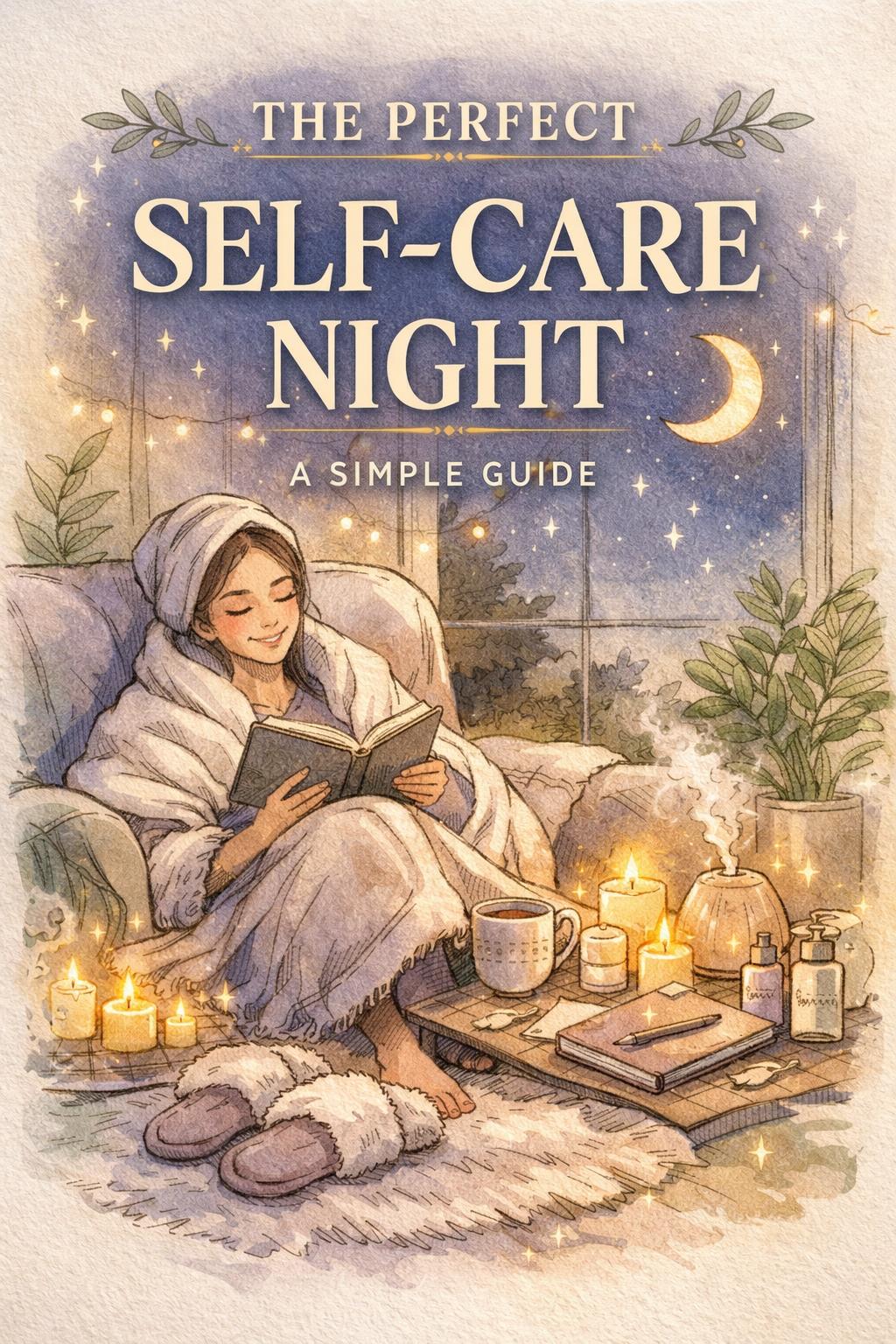
Your evenings don't have to feel rushed or stressful. A self-care night routine helps you relax, clear your mind, and prepare your body for better sleep. Taking time to focus on yourself at night can make a real difference in how you feel the next day.
Creating the perfect self-care night routine doesn't require a lot of time or money. You can start with just a few simple activities that make you feel calm and happy. The key is finding what works best for you and your schedule.
This guide will walk you through easy ways to build a relaxing evening routine that fits your life. You'll learn how to set up your space, pick activities you enjoy, and wind down properly before bed.
Key Takeaways
- A self-care night routine helps you relax and sleep better
- You can create a calming evening with simple activities that work for your schedule
- The right environment and personal touches make your nighttime routine more effective
Preparing a Relaxing Environment
Your surroundings play a big role in how well you can unwind at night. The right lighting helps signal your brain that it's time to rest, calming scents can ease stress, and a tidy space removes distractions that keep your mind active.
Setting the Mood with Lighting
Bright overhead lights tell your body to stay alert and awake. You need softer options that help your mind shift into rest mode.
Dim your main lights at least an hour before bed. Switch to lamps with warm bulbs or use dimmer switches to control the brightness. Candles create a gentle glow that feels calming, but make sure to blow them out before you fall asleep.
String lights or salt lamps add a cozy feel without being too bright. These options give you just enough light to move around safely while creating a calm environment that promotes relaxation. Avoid blue light from phones and screens during this time since it blocks melatonin production and makes falling asleep harder.
Choosing Soothing Scents
Your sense of smell connects directly to the part of your brain that controls emotions and memory. The right scents can lower your heart rate and reduce tension.
Lavender is known for promoting sleep and reducing anxiety. Chamomile offers similar calming effects. Other good choices include vanilla, sandalwood, and bergamot.
You can use essential oils in a diffuser to spread the scent through your room. Scented candles work well too, as do pillow sprays you can mist on your bedding. Reed diffusers provide a constant gentle fragrance without needing electricity or flames.
Start with one scent at a time to see what works best for you. Too many competing smells can actually feel overwhelming instead of relaxing.
Organizing Your Space
Clutter creates visual noise that keeps your brain processing information when it should be winding down. A messy room can increase stress levels and make it harder to feel peaceful.
Take five minutes to put away items that are out of place. Fold throw blankets, stack books on your nightstand, and put dirty clothes in the hamper. You don't need a spotless room, just a space that feels orderly.
Keep your bed clear of extra items like papers, devices, or random objects. Your bed should only be for sleep and rest. This helps train your brain to associate your bed with relaxation rather than work or stress.
Make sure you have everything you need within easy reach. Keep a water glass, book, or journal on your nightstand so you don't have to get up once you're settled in.
Selecting the Right Self-Care Activities
The best self-care activities match your personal preferences and current energy levels. Focus on what truly helps you relax rather than following trends that don't resonate with you.
Pampering Skincare Routines
A nighttime skincare routine gives you a chance to slow down and focus on yourself. Start with a gentle cleanser to remove makeup and daily buildup from your skin. Follow with a toner to balance your skin's pH levels.
Apply a serum that targets your specific skin concerns, whether that's dryness, fine lines, or uneven texture. Finish with a moisturizer that suits your skin type to lock in hydration overnight.
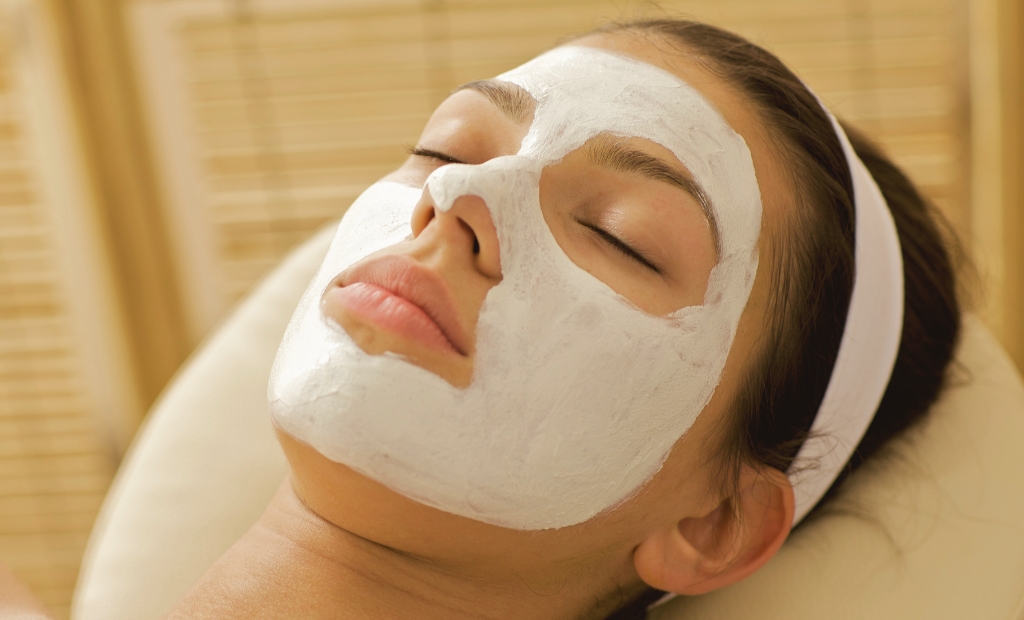
You can add a face mask once or twice a week for extra pampering. Sheet masks work well for quick hydration, while clay masks help deep clean your pores. The repetitive motions of applying products can feel meditative and calming.
Keep your routine simple with just a few products that work for you. You don't need ten steps to create an effective skincare ritual.
Relaxing Bath Rituals
A warm bath helps release muscle tension and signals to your body that it's time to wind down. Add Epsom salts to ease sore muscles or bath oils for softer skin. The magnesium in Epsom salts can help you feel more relaxed.
Set the mood by dimming the lights or using candles around your bathtub. Play soft music or nature sounds if that helps you relax. Keep the water temperature comfortable but not too hot, as extreme heat can actually be stressful for your body.
Bring a book or listen to a podcast if you enjoy having something to focus on. Stay in for 15-20 minutes to get the full relaxation benefits without drying out your skin.
If you don't have a bathtub, a long shower with a nice body wash can work just as well. Focus on the sensation of the warm water and the scents around you.
Mindfulness and Meditation Practices
Mindfulness activities help calm racing thoughts and bring your attention to the present moment. Start with just five minutes of deep breathing where you focus on each inhale and exhale. This simple practice can lower your heart rate and reduce stress.
Guided meditation apps make it easy to practice even if you're new to meditation. Look for sessions designed for bedtime that focus on relaxation and letting go of the day's worries.
Body scan meditation involves mentally checking in with each part of your body from head to toe. This practice helps you notice and release tension you might not realize you're holding.
You can also try journaling as a mindfulness practice. Write about three things you're grateful for or simply process your thoughts on paper. There's no right or wrong way to journal for self-care.
Crafting a Nourishing Experience
Taking care of your body through what you consume and the sounds you hear creates a foundation for true relaxation. The right snacks, drinks, and music work together to signal your mind and body that it's time to wind down.
Healthy Snacks and Hydration
Your body needs the right fuel to support quality sleep and relaxation. Choose snacks that won't spike your blood sugar or leave you feeling heavy before bed.
Light options work best for evening nourishment. Try a small handful of almonds, a banana with almond butter, or Greek yogurt with berries. These foods contain nutrients that support sleep without weighing you down.
Good evening snack options:
- Whole grain crackers with cheese
- Apple slices with peanut butter
- A small bowl of oatmeal
- Cherry tomatoes with hummus
Hydration matters just as much as what you eat. Drink water throughout your evening routine, but taper off about an hour before bed to avoid nighttime bathroom trips. Keep a glass of water by your bedside for morning or if you wake up thirsty.
Avoid heavy meals, sugary treats, and caffeinated drinks in the evening. These can interfere with your ability to fall asleep and stay asleep through the night.
Comforting Beverages
A warm drink can become a powerful signal that your day is ending. The ritual of preparing and sipping a beverage creates a natural transition into rest mode.
Herbal teas offer the most benefits for evening relaxation. Chamomile tea has been used for centuries to promote calmness and better sleep. Lavender, passionflower, and valerian root teas also support relaxation.
Warm milk is another classic choice. It contains tryptophan, an amino acid that helps your body produce sleep-supporting hormones. Add a small amount of honey for natural sweetness.
Popular evening beverages:
- Chamomile tea
- Peppermint tea
- Golden milk (turmeric latte)
- Decaf herbal blends
- Warm almond milk
Skip alcohol even though it might make you feel sleepy at first. It disrupts your sleep cycles later in the night and prevents deep, restorative rest.
Listening to Calming Music
Sound has a direct impact on your nervous system and stress levels. The right music or audio can lower your heart rate and prepare your brain for sleep.
Choose music with a slow tempo between 60-80 beats per minute. This matches your resting heart rate and encourages your body to relax. Classical music, acoustic guitar, piano solos, and nature sounds all work well.
Create a playlist specifically for your nighttime self care routine so you don't have to think about what to play. Keep the volume low enough that you can hear it clearly without straining.
White noise machines or apps can also help if you prefer consistent background sound. Rain sounds, ocean waves, or gentle static can mask disruptive noises from your environment. Many people find these sounds help them fall asleep faster and stay asleep longer.
Enhancing the Night with Personal Touches
Adding personal elements to your evening routine makes it feel special and meaningful. Small choices like what you wear, how you reflect on your day, and which activities bring you joy can transform an ordinary night into true self-care.
Choosing Comfortable Attire
What you wear at night affects how relaxed you feel. Soft, loose clothing helps your body unwind and signals that it's time to rest.
Pick fabrics that feel good against your skin. Cotton, bamboo, and modal are breathable options that keep you comfortable throughout the evening. Avoid clothes with tight waistbands or restrictive seams.
Your sleepwear should match the temperature of your room. Light pajamas work well in warm weather, while flannel or fleece keeps you cozy when it's cold. Layer your clothing so you can adjust if needed.
Consider keeping special clothes just for your self-care night routine. A favorite robe or soft slippers can make the experience feel more intentional. The goal is to feel comfortable and relaxed, not fashionable.
Journaling and Reflection
Writing down your thoughts helps clear your mind before bed. You don't need fancy supplies or perfect handwriting to benefit from this practice.
Spend five to ten minutes writing about your day. Focus on what went well, what challenged you, or what you're grateful for. This simple act helps process emotions and reduce stress.
Try these journaling prompts:
- What made me smile today?
- What did I learn?
- What do I want to let go of?
- What am I looking forward to tomorrow?
Setting intentions or goals for the next day during your reflection time helps you feel prepared and focused. Keep your journal by your bed so it becomes an easy habit.
Connecting with a Favorite Hobby
Doing something you enjoy before bed brings genuine pleasure to your evening. Your hobby should be calming rather than energizing or stressful.
Reading a book for 20-30 minutes helps many people transition into sleep mode. Choose fiction or light topics that don't require intense focus. Avoid work-related materials or news that might cause anxiety.
Other relaxing hobbies include drawing, knitting, coloring, or listening to music. Pick activities that don't involve bright screens, as blue light can interfere with sleep. If you do use a device, enable night mode or wear blue light blocking glasses.
The key is choosing something that feels like a treat rather than a chore. Your hobby time should leave you feeling content and ready to rest.
Winding Down for Restful Sleep
Getting quality sleep starts with how you prepare your body and mind in the hours before bed. Turning off screens and following a calming routine helps signal to your brain that it's time to rest.
Unplugging from Devices
Your phone, tablet, and computer screens emit blue light that tricks your brain into thinking it's still daytime. This light blocks melatonin, the hormone that makes you feel sleepy.
You should put away all screens at least 30 minutes to an hour before bedtime. This gives your brain time to start producing melatonin naturally. If you must use devices, turn on night mode or wear blue light blocking glasses.
The content you view matters too. Scrolling through social media or watching intense shows can keep your mind alert and racing. Instead, you can read a physical book, listen to calm music, or do some light stretching.
Create a charging station outside your bedroom so you're not tempted to check your phone during the night. This simple change helps you wind down before bed more effectively.
Establishing a Gentle Bedtime Routine
A consistent bedtime routine trains your body to recognize when sleep is approaching. Start with the same few activities each night at roughly the same time.
Your routine might include:
- Taking a warm shower or bath
- Brushing your teeth and washing your face
- Dimming the lights in your home
- Doing gentle stretches or yoga
- Writing in a journal
Pick 3-4 activities that feel relaxing to you. The key is doing them in the same order each night. This predictability helps your mind and body prepare for sleep.
Keep your bedroom cool, dark, and quiet. The ideal temperature for sleep is between 60-67 degrees Fahrenheit. You can use blackout curtains, a fan, or a white noise machine to create a calming environment that supports rest.
Final Thoughts About Your Perfect Self-Care Night
Creating a nighttime self-care routine doesn't have to be complicated or time-consuming. The best routine is one that fits naturally into your life and makes you feel good.
Start small if you're just beginning. Pick two or three activities that sound appealing and try them for a week. You can always add more later as your routine becomes a habit.
Remember these key points:
- Your self-care night should feel relaxing, not stressful
- It's okay to skip a night if you need to
- What works for someone else might not work for you
- Simple activities can be just as effective as elaborate ones
Making self-care a priority means setting aside time for yourself each evening. Even 15 minutes can make a difference in how you feel.
Don't worry about doing everything perfectly. Some nights you might do your full routine, while other nights you might only have time for one calming activity. Both are valuable.
The goal is to help yourself unwind and prepare for restful sleep. Pay attention to which activities leave you feeling calm and peaceful. Those are the ones worth keeping in your routine.
Give yourself permission to adjust your routine as needed. Your needs might change with the seasons, your schedule, or your mood. A flexible approach helps your self-care night stay sustainable long-term.