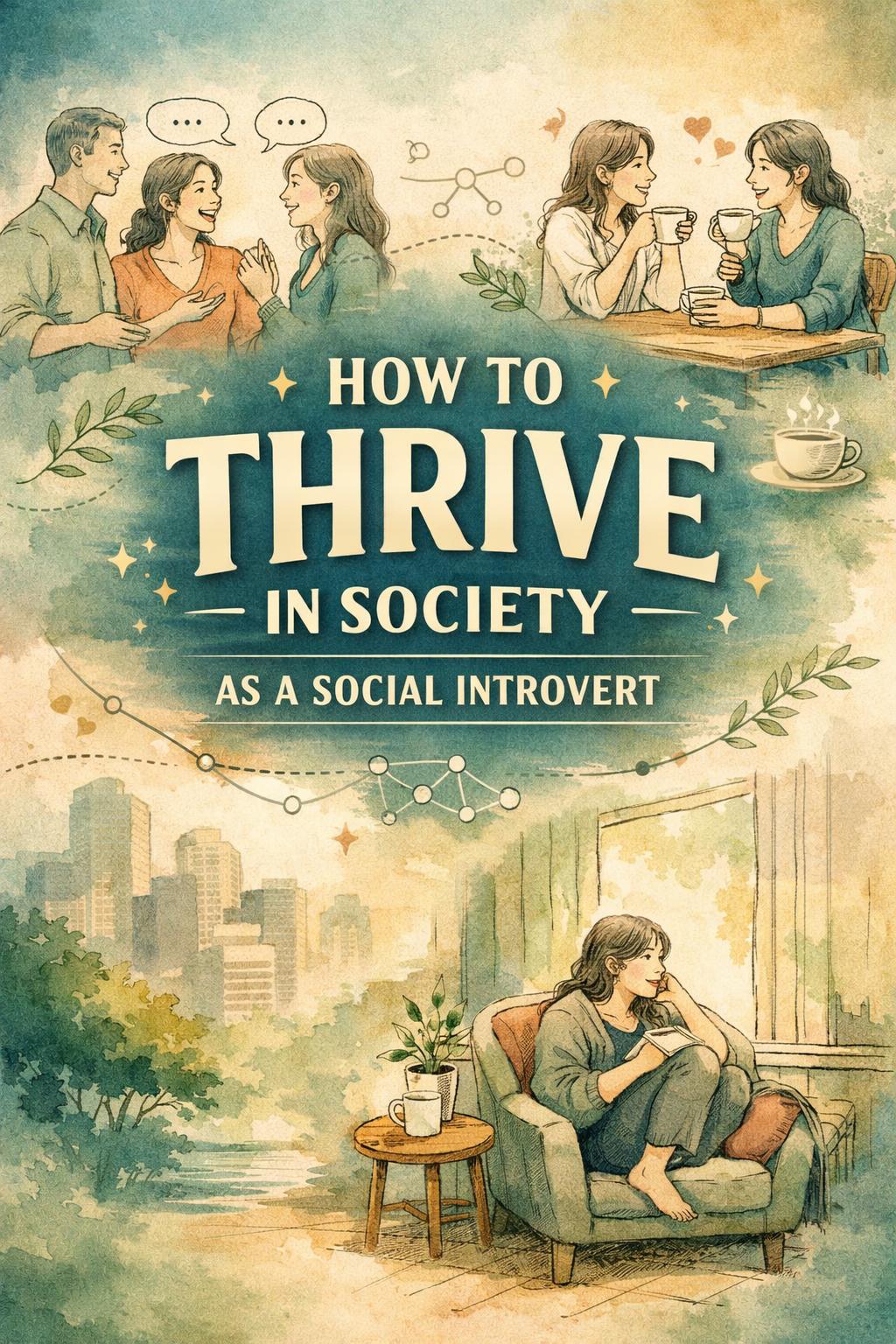

You might think being an introvert means you can't succeed in social situations, but that's not true. Social introverts can thrive by using their natural strengths like deep listening, meaningful conversations, and thoughtful connections while setting healthy boundaries that protect their energy. The key is learning to work with your personality instead of against it.
Being introverted doesn't mean you're shy or bad at socializing. Introverts often expend energy in social situations while extroverts gain energy from them. This difference is completely normal and being introverted is more common than you might think.
You don't need to change who you are to have a rich social life. An active social life is good medicine for the body and brain, and introverts can get these benefits by approaching socializing in ways that feel right for them. This guide will show you practical ways to build connections, enjoy social settings, and still honor your need for alone time.
Key Takeaways
- You can build a fulfilling social life by using your natural introvert strengths like deep listening and authentic connection
- Setting clear boundaries about your social energy helps you participate in society without burning out
- Finding the right balance between alone time and social activities lets you recharge while staying connected to others
Embracing Your Introverted Strengths
Social introverts possess unique abilities that create depth in relationships and clarity in decision-making. Learning to identify what matters most to you, connecting with others in meaningful ways, and protecting your energy through clear limits allows you to thrive without trying to be someone you're not.
Recognizing Core Social Values
Your social values act as a compass for where you invest your limited social energy. As an introvert, you naturally prefer quality over quantity in relationships.
Take time to identify which types of interactions fill you up versus drain you. You might feel energized after one-on-one coffee dates but exhausted after large networking events. This information helps you make better choices about your social calendar.
Write down the top three qualities you value most in friendships and social experiences. Common values for social introverts include honesty, depth, intellectual stimulation, and shared interests. When you know what matters, you can seek out situations that align with these preferences.
Understanding your introverted nature means accepting that you don't need to enjoy every social activity others do. Your preference for smaller gatherings or meaningful conversations is a strength, not a weakness.
Building Authentic Connections
Deep connections happen when you focus on fewer relationships rather than trying to maintain a large social circle. Social introverts excel at creating bonds that last because they invest genuine time and attention.
Start conversations around topics that interest you. This natural approach feels less draining than small talk and attracts people who share your passions. You don't need to force enthusiasm for surface-level chatter.
Schedule regular one-on-one time with people who matter to you. Coffee dates, walks, or quiet dinners allow for the kind of meaningful exchange where you shine. These settings let you leverage your strengths as a thoughtful listener and observer.
Be selective about which social invitations you accept. Saying yes to everything leads to burnout and prevents you from showing up fully for the connections you value most.
Understanding Boundaries
Boundaries protect your energy so you can engage socially without depleting yourself. Setting limits isn't rude—it's necessary for your well-being.
Learn to recognize your social battery level throughout the day. When you notice signs of fatigue like irritability or difficulty concentrating, it's time to recharge. Honor these signals instead of pushing through.
Practice specific phrases for declining invitations or leaving events early. Simple statements like “I need to recharge tonight” or “I'm going to head out now” work well. You don't owe anyone lengthy explanations.
Create recovery time after social events. Block off quiet hours following gatherings to process the experience and restore your energy. Setting and maintaining boundaries allows you to participate in social life sustainably rather than cycling between overcommitment and isolation.
Overcoming Social Challenges
Social introverts face specific hurdles that can make everyday interactions feel draining or stressful. Learning to manage anxiety, prevent burnout, and express your boundaries helps you engage with others without sacrificing your well-being.
Managing Social Anxiety
Social anxiety often shows up as worry before events, racing thoughts during conversations, or physical symptoms like a fast heartbeat. These feelings are different from introversion itself, but many introverts experience both.
Start with small, low-pressure situations to build confidence. A coffee meetup with one friend feels less overwhelming than a large party. Introverts can thrive in social situations by focusing on quality interactions rather than forcing themselves into crowded spaces.
Breathing exercises help calm your nervous system before and during social events. Try breathing in for four counts, holding for four, and exhaling for six. This simple technique signals your body to relax.
Practice self-compassion when interactions don't go as planned. Everyone has awkward moments, and they don't define your social abilities. Focus on what went well rather than replaying mistakes in your head.
Handling Overwhelm and Burnout
Social burnout happens when you spend too much time around people without recharging. You might feel irritable, exhausted, or emotionally drained after socializing.
Signs of social burnout:
- Physical tiredness that sleep doesn't fix
- Avoiding calls or messages from friends
- Feeling annoyed by simple conversations
- Needing longer recovery time after events
Schedule alone time between social commitments to prevent overwhelm. Block out specific hours on your calendar for quiet activities like reading, walking, or just sitting without obligations.
Leave events early when you need to. You don't owe anyone an explanation beyond a simple “I need to head out.” Most people understand and won't take it personally.
Create a recovery routine after social activities. This might include changing into comfortable clothes, dimming lights, or doing something quiet that you enjoy. Having this routine helps you bounce back faster.
Communicating Your Needs
Expressing your limits to others prevents resentment and misunderstandings. Many people don't realize that being an introvert comes with unique strengths but also specific energy management needs.
Be direct about your preferences without apologizing. Say “I prefer one-on-one conversations” instead of “Sorry, but I'm not good with groups.” This frames your needs as valid rather than problematic.
Helpful phrases for setting boundaries:
- “I'd love to catch up over coffee instead of at the party”
- “I can stay for an hour, then I need to recharge”
- “I'm not ignoring you—I just need quiet time to think”
Explain your introversion to close friends and family so they understand it's not personal. Let them know that declining invitations doesn't mean you don't care about them. Most people appreciate the honesty and will respect your boundaries once they understand.
Expanding Comfort Zones
Growth happens when you take small, intentional steps beyond what feels familiar. The key is to challenge yourself without overwhelming your natural need for quieter, more meaningful interactions.
Setting Manageable Social Goals
Start with goals that feel achievable rather than intimidating. You might decide to attend one social event per week or initiate a conversation with one new person at your workplace. Setting realistic social goals helps you build confidence without draining your energy.
Break larger social challenges into smaller tasks. If networking events feel overwhelming, set a goal to stay for just 30 minutes or speak with three people. You can gradually increase these targets as you become more comfortable.
Track your progress in a simple way. Write down what you tried and how it felt. This helps you see patterns in what works for you and what doesn't.
Remember to balance social activities with time alone to recharge. Engaging in manageable social interactions while balancing recharging activities creates lasting growth. You don't need to push yourself every day.
Trying New Social Settings
Experiment with different types of social environments to find what suits you best. Smaller gatherings often work better than large parties because they allow for deeper conversations.
Consider these options that tend to work well:
- Book clubs or hobby groups with consistent members
- Coffee meetings with one or two people
- Volunteering activities with structured tasks
- Online communities before meeting in person
Each setting offers different levels of interaction. A cooking class might feel easier than a cocktail party because you have a shared activity to focus on.
Test new environments when your energy is high. Avoid scheduling social experiments during already stressful weeks. Pay attention to which settings leave you feeling energized versus completely drained.
Finding Support and Community
Building connections doesn't mean forcing yourself into crowded parties or networking events. You can find community in everyday life through smaller, more intentional interactions that match your energy level.
Leveraging Online Groups
Online communities offer a comfortable way to connect without the pressure of face-to-face interaction. You can join forums, Discord servers, or Facebook groups centered around your interests like book clubs, gaming, creative writing, or professional development.
These spaces let you participate at your own pace. You can read discussions for weeks before commenting, or jump in right away when something resonates with you.
The key is choosing groups that align with your values and hobbies. Look for communities with active but not overwhelming participation levels. A group with 50-200 members often strikes a good balance between having enough people to sustain conversation and not feeling lost in a crowd.
Benefits of online communities:
- Control over when and how you engage
- Time to think before responding
- Ability to step away when you need to recharge
- Access to people beyond your geographic area
Connecting With Like-Minded Individuals
Quality matters more than quantity when building your social circle. Focus on finding people who share your interests rather than trying to befriend everyone you meet.
Consider activities that naturally attract other introverts or deep thinkers. Writing groups, meditation classes, library events, or volunteer opportunities often draw people who value meaningful conversation over small talk.
When you meet someone interesting, building meaningful relationships happens through consistent, small interactions. You don't need to plan elaborate outings. A regular coffee meetup or a monthly dinner works better than forcing yourself into weekly social marathons.
Be upfront about your social style. Most people appreciate honesty about needing advance notice for plans or preferring one-on-one hangouts to group settings.
Exploring Local Activities
Your local area likely offers activities designed for smaller groups and quieter engagement. Check community centers, libraries, museums, and specialty shops for classes or events.
Activity ideas to explore:
- Art classes or pottery workshops
- Hiking or walking groups
- Board game cafes
- Cooking classes
- Photography clubs
- Language exchange meetups
These structured activities give you something to focus on besides socializing. The shared activity takes pressure off constant conversation while still allowing connections to form naturally.
Visit potential groups during off-peak times first to get a feel for the environment. Many organizations welcome new members to observe before committing. This lets you assess whether the group's energy matches yours without feeling obligated to return.
Balancing Solitude and Socializing
You need quiet time to recharge your energy after being around people. Building strong connections also requires you to show up and stay present in your relationships.
Recharging After Social Events
Your energy drains when you spend time in social settings. This happens because introverts need alone time to recharge after social events, even when you enjoyed yourself.
Plan downtime into your schedule after parties or gatherings. Block off a few hours or even a full day where you don't make any plans.
Effective ways to recharge include:
- Reading a book in a quiet space
- Taking a walk alone
- Listening to music with headphones
- Engaging in a solo hobby like drawing or gardening
- Simply sitting in silence without screens
You should leave events when your energy starts to fade. There's nothing wrong with saying goodbye early. Your friends will understand if you explain that you need rest.
Some social activities drain you more than others. Large parties might require a full day of recovery, while coffee with one friend might only need an hour of quiet time afterward.
Maintaining Healthy Relationships
Balancing alone time and social interactions is essential for introverts to thrive. Your relationships stay strong when you communicate your needs clearly to friends and family.
Tell people close to you that you need space sometimes. Most will respect your boundaries when they understand you're not avoiding them personally.
Schedule regular check-ins with important people in your life. You might prefer one-on-one coffee dates over group dinners. Choose quality over quantity in your social calendar.
Set limits on how many social events you attend each week. Two or three meaningful interactions often work better than seven surface-level ones.
You can maintain friendships through texts, emails, or quick phone calls between in-person visits. These lighter forms of contact let you stay connected without depleting your energy reserves.
Create a system where you alternate between social weeks and quiet weeks. This rhythm helps you stay connected while preserving your much-needed solitude.
Final Thoughts About Thriving as Social Introvert
Being a social introvert means you don't have to choose between meaningful connections and your need for alone time. You can enjoy both.
Your introverted qualities don't make your social connections less genuine. The friendships you build are just as real and valuable as anyone else's. Your thoughtful approach to relationships often creates deeper bonds than surface-level interactions.
Remember these key points:
- You don't need to work the entire room to be successful socially
- Quality conversations matter more than quantity
- Taking breaks to recharge is healthy and normal
- Your quiet strengths bring unique value to social settings
The world needs what you bring to the table. Your ability to listen carefully, think before speaking, and engage in deep conversations makes you a great friend and colleague. You can cherish your introverted qualities while thriving in a social world.
Stop measuring yourself against extroverted standards. Success looks different for you, and that's perfectly fine.
Your journey as a social introvert is about balance, not change. You're learning to navigate social situations in ways that work for your personality. This takes practice and patience with yourself.
Being introverted is common and nothing to feel bad about. Embrace who you are. Your measured responses, thoughtful insights, and genuine presence make social spaces better for everyone.