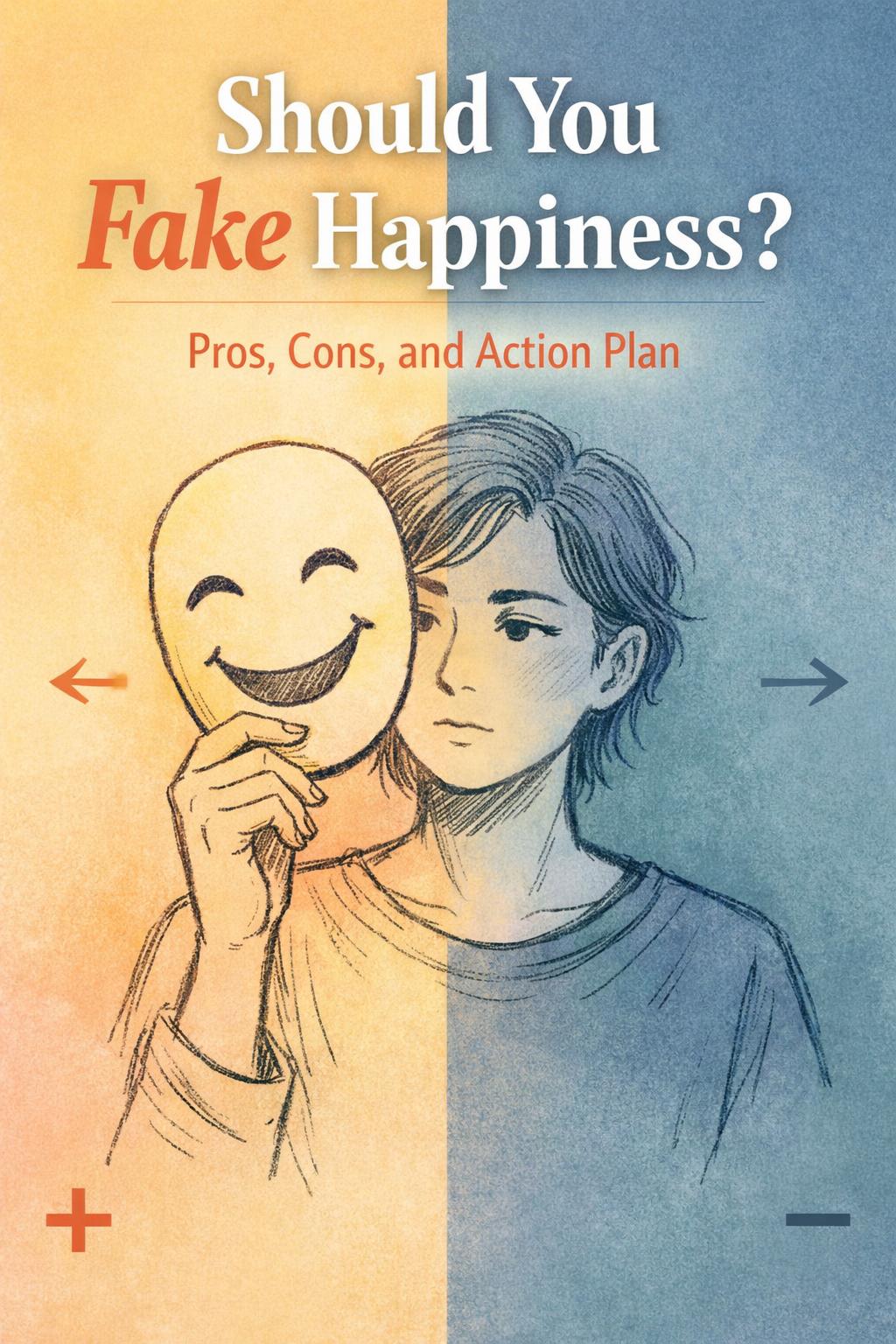

You've probably been told to “fake it until you make it” when it comes to happiness. Maybe you've plastered on a smile at work when you felt terrible inside, or posted cheerful photos on social media while struggling privately. The question is whether pretending to be happy actually helps or if it makes things worse in the long run.
The answer depends on how and why you're faking happiness—forcing a smile when you're feeling neutral can give you a genuine mood boost, but constantly pretending everything is fine when you're really struggling can lead to emotional exhaustion and isolation. Research shows that faking a smile can help when you're feeling slightly down, but it backfires when you use it to hide serious problems or avoid dealing with your real feelings.
The good news is that understanding when faking happiness works and when it doesn't can help you make better choices about your emotional health. This guide will walk you through the science behind fake happiness, help you spot when you're pretending instead of processing, and show you practical steps to build genuine joy in your life.
Key Takeaways
- Faking happiness works best for minor mood dips but becomes harmful when used to avoid dealing with real emotional problems
- Constantly pretending to be happy can leave you exhausted and prevent you from getting support from people who care about you
- Building authentic happiness requires being honest about your feelings while developing healthy habits and seeking help when needed
Why People Pretend to Be Happy
People fake happiness for many reasons, from meeting social expectations to protecting themselves from judgment. Understanding these motivations can help you recognize when you're putting on a false front and why it happens.
Common Reasons Behind Faking Happiness
You might pretend to be happy to avoid burdening others with your problems. Many people worry that sharing negative emotions will make them seem weak or bring down the mood of those around them.
Fear of judgment is another major driver. You may believe that others will think less of you if you admit you're struggling. This concern can be especially strong at work or in professional settings where you feel pressure to maintain a certain image.
Some people fake happiness to avoid difficult conversations. When you're dealing with complex emotions, it can feel easier to smile and say “I'm fine” than to explain what's really going on inside your head.
You might also pretend to be happy because you think your problems aren't significant enough to share. Comparing your struggles to others who seem worse off can make you dismiss your own valid feelings.
Social Norms and the Pressure to Appear Positive
Society often expects you to project positivity, even when you don't feel it. Social pressure or a desire to avoid conflict pushes many people toward faking happiness in daily interactions.
You've probably heard phrases like “put on a happy face” or “stay positive” countless times. These cultural messages suggest that negative emotions are inappropriate or unwelcome in public spaces. This creates an environment where you feel obligated to hide sadness, anger, or frustration.
Social media makes this pressure worse. You see endless posts of other people's highlight reels, which can make you feel like everyone else is happy all the time. This illusion of happiness creates unrealistic standards that push you to fake your own contentment.
The workplace often demands emotional performance. Many jobs require you to be pleasant and upbeat with customers or clients regardless of how you actually feel.
The Influence of ‘Fake It Till You Make It'
The “fake it till you make it” approach has become popular advice in self-help circles. This strategy suggests that pretending to be cheerful can eventually lead to genuine positive feelings.
This advice has some merit in specific situations. Research shows that forcing a smile when you're feeling neutral or slightly down can actually boost your mood. The physical act of smiling can trigger positive emotions in your brain.
However, this approach has limits. When you use it to suppress deeper emotional problems, it can backfire. You end up creating a gap between your true feelings and the persona you show others.
The key difference is whether you're using this technique as a short-term mood booster or as a way to avoid dealing with real issues. If you constantly rely on faking happiness instead of addressing what's making you unhappy, you're not actually making progress toward genuine well-being.
Recognizing Smiling Depression
Smiling depression refers to appearing happy on the outside while struggling with depression internally. You function in daily life and seem fine to others, but you're experiencing serious emotional pain beneath the surface.
This condition is particularly dangerous because others can't see your struggle. Friends and family don't know you need support because your facade of joy hides your true state.
Common signs of smiling depression include:
- Maintaining a positive appearance while feeling empty inside
- Functioning at work or school despite internal suffering
- Dismissing your own pain as “not that bad”
- Feeling exhausted from keeping up the act
- Having dark thoughts that don't match your outward behavior
If you recognize these patterns in yourself, it's important to seek help. The gap between your internal experience and external presentation can become exhausting and prevent you from getting the support you need.
The Double-Edged Sword: Pros and Cons of Faking Happiness
Faking happiness can offer temporary relief in certain situations, but it also carries significant risks when used as a long-term coping strategy. The key is understanding when a forced smile helps and when it hurts your mental health and relationships.
Potential Short-Term Benefits
Putting on a happy face can actually boost your mood in some situations. Research shows that when you're feeling neutral or just slightly down, forcing a smile can lead to real positive feelings after a few minutes.
Your mind and body communicate with each other. When you smile, your brain can interpret this as a sign that you're happy. Studies found that people who held a pencil in their teeth to activate smiling muscles felt more positive, even though they weren't genuinely smiling.
Acting more outgoing can help too. Both introverts and extroverts experience a happiness boost when they act confident and friendly in social situations. This works because you connect with more people and expand your social circle.
Key benefits include:
- Quick mood improvement when feeling slightly down
- Increased positive social interactions
- Better first impressions in professional settings
- Temporary stress relief in challenging moments
Long-Term Mental Health Risks
Using fake happiness as your main coping method creates serious problems over time. Pretending to be happy for too long leads to exhaustion because you're constantly using energy to hide how you really feel.
When you always smile to repress upset feelings, you can actually make yourself feel worse. Your mental health suffers when you never address the real issues causing your unhappiness. The gap between how you feel inside and what you show outside grows bigger.
Constantly faking it means people close to you don't know anything is wrong. This keeps you from getting support that could genuinely help. You miss out on meaningful conversations that might lead to real solutions.
Your subconscious mind knows when you're being fake. If you keep telling yourself everything is fine when it clearly isn't, your brain fights back against this disconnect.
Emotional Suppression and Toxic Positivity
Emotional suppression happens when you push down negative feelings instead of dealing with them. This is different from healthy positivity. Toxic positivity means forcing positive thoughts in situations where your real emotions need attention.
Signs of toxic positivity:
- Always saying “stay positive” to yourself or others
- Feeling guilty for having negative emotions
- Dismissing real problems with forced optimism
- Avoiding difficult but necessary conversations
The problem is that suppressed emotions don't disappear. They build up inside you and often come out in unhealthy ways later. You might experience more anxiety, depression, or physical stress symptoms.
Your beliefs about smiling matter too. If you think of smiles only as a trick to feel better rather than a natural response, faking it can backfire. The forced nature becomes obvious to your mind.
Impact on Authentic Connections
Genuine connections require honesty about your feelings. When you're always faking happiness, you create a barrier between yourself and others. People can't truly know you if you never show them your real emotions.
Your relationships stay surface-level when you hide behind a mask. Friends and family want to support you, but they can't if you never let them see when you're struggling. This leaves you feeling isolated even when surrounded by people.
Trust builds when people share both good and bad moments together. If you only show the happy side, others may feel they can't be real with you either. This creates shallow relationships on both sides.
Authentic connections form when you're willing to be vulnerable. Sharing your struggles doesn't make you weak. It actually strengthens bonds and helps others feel comfortable being honest too.
Social Media, Comparison, and the Illusion of Happiness
Social platforms create a perfect storm where fake happiness thrives and constant comparison becomes unavoidable. Your feed shows carefully selected moments that rarely reflect real life, making it easy to feel like everyone else has it figured out while you're struggling.
Fake Happiness on Social Platforms
When you scroll through your feed, you're seeing a highlight reel, not reality. People post their best moments, biggest achievements, and happiest smiles while leaving out the mundane or difficult parts of their day.
This creates an environment where faking happiness on social media becomes the norm. You might feel pressure to post only positive content, even when you're having a rough week. Your friends do the same thing, which means everyone is presenting an edited version of their life.
The problem gets worse because algorithms favor content that gets engagement. Posts showing success, joy, and excitement typically get more likes and comments than honest posts about struggles. This reward system encourages more fake positivity and less authentic sharing.
Comparing Our Lives to Others
Your brain naturally makes comparisons, but social media puts this process into overdrive. You compare your relationship to your friend's engagement photos, your job to a former classmate's promotion announcement, and your home to the beautifully decorated spaces in your feed.
These comparisons happen against an unfair standard. You're comparing your full reality to someone else's carefully curated highlights. You know all your own problems, doubts, and failures, but you only see other people's wins.
Social comparison on these platforms often leads to negative feelings about your own life. Research shows that spending more time on social media correlates with increased anxiety and depression, partly because of these constant unfavorable comparisons.
Dangers of Curated Online Personas
Building a curated online persona takes real effort and emotional energy. You might spend time choosing the perfect photo, writing captions that sound just right, or deleting posts that don't get enough engagement.
This constant curation creates distance between who you really are and who you present yourself to be. The gap between your authentic self and your online persona can make you feel isolated or like you're living a lie.
Key risks include:
- Loss of authentic self-expression
- Increased anxiety about maintaining your image
- Difficulty forming genuine connections
- Feeling like an imposter in your own life
The illusion of happiness you create online can also trap you. Once you've established a certain image, admitting struggles or showing vulnerability feels risky because it breaks the pattern you've established.
Paths to Authentic Happiness and Personal Growth
Real happiness comes from accepting your true emotions, building meaningful relationships, and understanding yourself better. These three elements work together to create lasting well-being instead of temporary fixes.
Cultivating Authentic and Genuine Connections
Your relationships become stronger when you share your real feelings instead of hiding behind a happy mask. Genuine connections require you to be honest about both good and bad days.
When you always pretend everything is fine, the people close to you can't offer support. They don't know you need help. This keeps you isolated even when surrounded by friends and family.
Signs of authentic connections include:
- Feeling safe to share struggles without judgment
- Being able to cry or express frustration around certain people
- Having friends who check in when something seems wrong
- Knowing someone will listen without trying to immediately fix things
Start small by sharing one real feeling with someone you trust. You might say “I'm actually having a tough week” instead of “Everything's great.” Most people appreciate honesty and will respond with care.
Emotional Acceptance Over Suppression
Emotional suppression makes you feel worse over time because it takes constant energy to hide your true state. Your feelings don't disappear when you ignore them.
Accepting emotions means letting yourself feel sad, angry, or disappointed without judgment. You acknowledge the feeling exists and let it pass naturally. This doesn't mean dwelling on negativity forever.
Try naming your emotion out loud: “I feel frustrated right now.” This simple act helps your brain process the feeling. You can still function while acknowledging discomfort.
Write down difficult emotions in a journal for five minutes each day. This gives them an outlet without requiring you to share with others before you're ready.
Developing Self-Awareness and Personal Growth
Personal growth starts with understanding your patterns and triggers. Notice when you feel the urge to fake happiness instead of addressing problems.
Ask yourself these questions daily:
- What am I actually feeling right now?
- Why might I be feeling this way?
- What do I need in this moment?
Keep track of situations that make you put on a false front. You might notice patterns like faking happiness at work but feeling comfortable at home. This awareness shows you where changes matter most.
Set small goals that align with your real values rather than what you think should make you happy. If quiet evenings bring you joy, stop forcing yourself to attend every social event. Real happiness grows from honoring your authentic preferences.
Seeking Support and Building Healthier Habits
Getting help from others and working on your emotional health can make a real difference when you're struggling with fake happiness. Real connections with people who care about you provide better relief than pretending everything is fine.
Importance of Social Support
When you fake a smile to hide your true feelings, the people closest to you don't know anything is wrong. This keeps you from getting the support you need.
Talking to friends and family about how you really feel helps you process emotions in a healthy way. They can offer practical advice, listen without judgment, or just spend time with you when things get tough.
Benefits of strong social support include:
- Reduced stress and anxiety
- Better emotional regulation
- Increased sense of belonging
- Help during difficult times
- Different perspectives on your problems
You don't need to share everything with everyone. Pick trusted people who have shown they care about your well-being. Even one or two close relationships can provide the support you need to stop pretending and start healing.
When to Seek Professional Help
Some situations require more than friends and family can provide. If you constantly feel the need to fake happiness, this might signal a deeper problem with your mental health.
Warning signs that you should talk to a professional:
- Feeling down or empty most days for weeks
- Loss of interest in activities you used to enjoy
- Changes in sleep or eating patterns
- Difficulty concentrating or making decisions
- Thoughts of self-harm or suicide
You should also consider getting help if faking happiness has become your only way to cope with stress. A trained professional can teach you better strategies for handling difficult emotions.
Therapy and Emotional Well-Being
Therapy helps you understand and manage your emotions in ways that faking happiness never can. A therapist provides a safe space to be honest about your feelings without judgment.
Different types of therapy work for different people. Cognitive behavioral therapy helps you identify negative thought patterns and replace them with healthier ones. Talk therapy lets you explore your feelings and experiences with guidance from a trained professional.
Therapy isn't just for crisis situations. Many people use it as a tool for personal growth and better emotional health. Regular sessions can help you build skills to handle stress, improve relationships, and find genuine happiness instead of faking it.