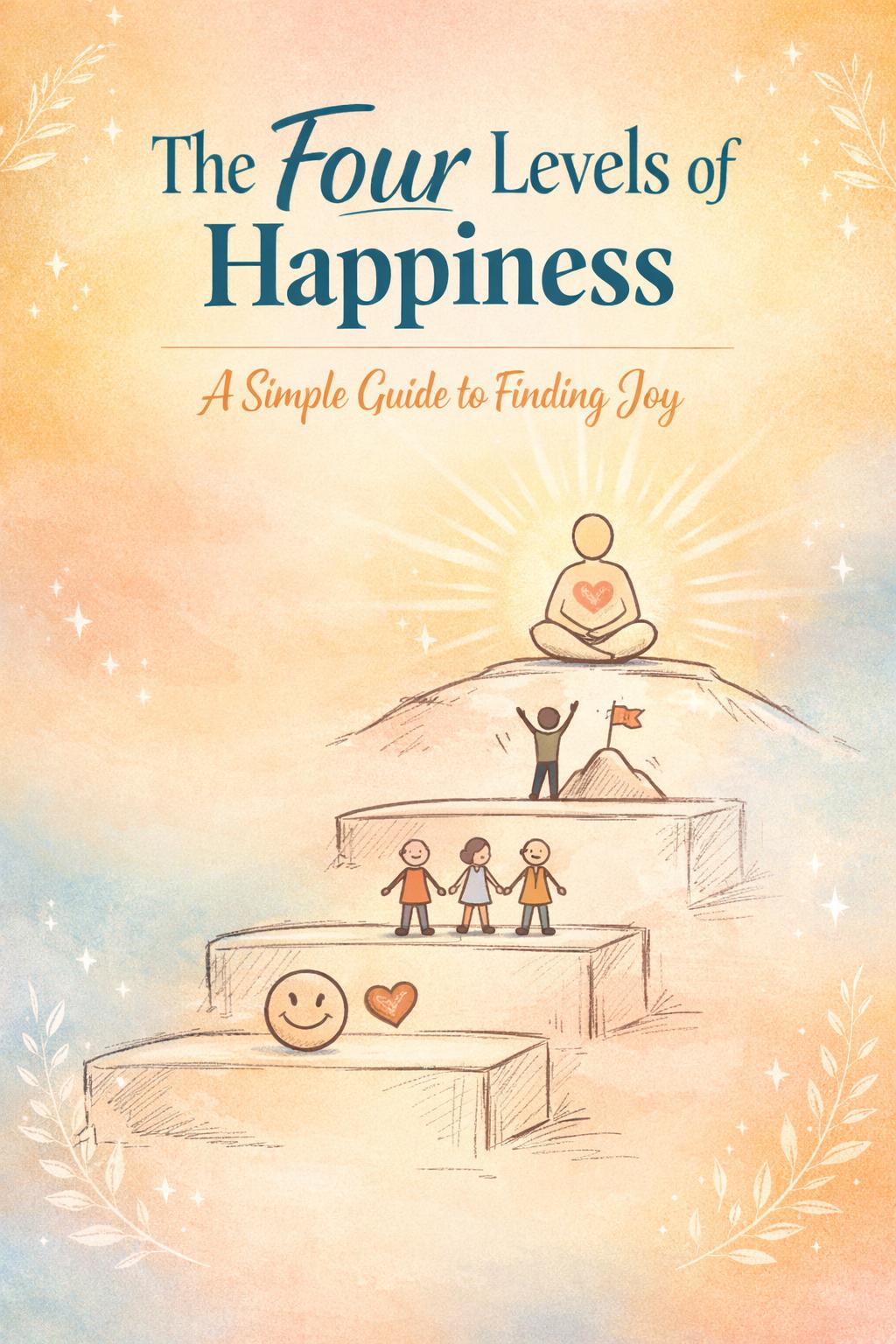

Ever wonder why some moments bring a quick smile while others leave you feeling truly satisfied?
The Four Levels of Happiness explain how different experiences and choices shape the way you feel happy in your daily life. By understanding these levels, you can recognize what brings you short-term pleasure and what leads to deeper, long-lasting happiness.
These levels range from simple joys, like enjoying a tasty treat, to bigger feelings of achievement, connection, and purpose. Learning about each level can help you find more balance and meaning as you go through life.
If you're curious about how to move beyond quick fixes and uncover what really matters to your happiness, this guide will show you what the four levels are and why they matter.
Let's get started.
Understanding Human Fulfillment
Happiness is not just about feeling good in the moment. It is shaped by both what you seek and how you meet your needs in daily life.
What Drives Our Pursuit of Happiness
You are naturally drawn to experiences that make you feel good, satisfied, or proud. These drives often start with simple pleasures, like enjoying your favorite meal or spending time with friends. Over time, you might find yourself wanting more than just pleasure. Success, purpose, and deeper connection become important.
Many people follow a path that begins with seeking comfort, then moves toward achievement. You may compare yourself to others or try to win respect at work or school. Achieving these goals can help you feel important. However, lasting fulfillment comes when you look for meaning and connection, beyond money or praise. Studies show that personal purpose and giving back lead to a richer sense of happiness.
How Needs Shape Our Experiences
Your needs guide most of your choices each day. At first, you need food, safety, and comfort. Once these basics are met, you may look for friends, respect, or success. Each need influences what feels important and what counts as happiness.
When a certain need goes unmet, it can shape what you value. For example, if you are lonely, friendship will feel more rewarding than winning a prize. As you move through life, your needs can change. Finding meaning and a sense of belonging often become more important over time.
Here is a quick look at typical needs and their role in happiness:
| Basic Need | Example of Happiness |
|---|---|
| Comfort | Tasty food, rest, fun activities |
| Connection | Close friendships, family bonds |
| Achievement | Reaching a goal, earning respect |
| Meaning | Helping others, feeling part of a group |
When you understand which needs are shaping your happiness, you can make better choices about what really matters to you.
Exploring Level One: Immediate Pleasures
Level one happiness is about satisfying your senses and meeting your needs right away. This kind of happiness usually comes from outside experiences, like eating your favorite treat or relaxing in a cozy chair.
The Role of Instant Gratification
Instant gratification means you get pleasure as soon as you do something. When you eat ice cream, buy a new gadget, or scroll on social media, your brain gets a quick burst of feel-good chemicals. These pleasures are easy to access and can make your day feel brighter for a short time.
Most examples of immediate happiness involve activities that make your body feel good. Some examples include:
- Tasting a fresh-baked cookie
- Taking a hot shower after a cold day
- Watching a funny video online
You don’t have to wait long for these pleasures. They are simple, fast, and satisfying in the moment. But the feelings usually fade quickly, and you may feel the need to seek more. For a deeper look, see the first level of happiness that is focused on physical pleasure and thrills.
Benefits and Limits of Sensory Enjoyment
Experiencing sensory happiness can boost your mood quickly. It helps you unwind and brings small moments of joy into your life. Enjoying tasty food, soft blankets, or a beautiful sunset can make ordinary days feel special.
However, there are limits. These enjoyments are short-lived. Once the treat is finished or the excitement is gone, those happy feelings vanish. Relying too much on instant pleasures can make you chase the next reward without feeling satisfied for long.
It’s helpful to recognize that while sensory happiness is important for comfort and relaxation, it should be balanced with other types of fulfillment for a lasting sense of well-being.
Exploring Level Two: Personal Success
At Level Two, happiness comes from achievements and feeling successful. You often measure your worth by how you compare to others and by the recognition you receive.
Comparing Achievements and Status
You might feel happy when you get good grades, win an award, or move up at work. These successes give you a boost and make you feel proud. Level Two focuses on competition, personal skills, and being noticed.
Most people care about how they match up to others. They look for praise, respect, or a sense of status. This happiness can be found in sports, school, work, or even on social media.
Here are some common examples of Level Two happiness:
- Winning a contest or sports game
- Getting a promotion
- Scoring above your classmates
- Earning likes and followers online
Achieving your goals can be motivating and help you grow. But this level of happiness tends to be short-lived because it often depends on what others think or do. For more on this approach, see the idea of personal achievement.
Pitfalls of External Validation
Relying too much on recognition or status from others can cause problems. If praise or success stops, you may start to feel anxious or left out. The need for more approval can lead to stress and insecurity.
Focusing on outside rewards also makes it hard to feel satisfied for long. You may compare yourself to others and feel jealous or not good enough when someone else wins.
Here's a quick look at common pitfalls of Level Two:
| Pitfall | Example |
|---|---|
| Stress from competition | Feeling pressure to outperform |
| Dependence on others' opinions | Basing mood on praise |
| Short-term satisfaction | Happiness fades after winning |
| Jealousy or resentment | Upset when others succeed |
To avoid these problems, it helps to balance your desire for success with other ways of finding meaning. You are more than your achievements or what others think. Real happiness can be deeper than just winning or being noticed. You can read more about this in discussions of ego and recognition.
Exploring Level Three: Deeper Connections
Level Three happiness is about connecting with others by focusing on kindness, service, and the well-being of those around you. When you look beyond your own wants, you can find a happier, more meaningful life.
Building Meaningful Relationships
At this level, you form deeper bonds with friends, family, and even people in your community. These relationships are not just about enjoying each other's company—they involve trust, openness, and a real interest in each other's lives.
To build strong relationships, it helps to listen carefully when others talk, and share your own feelings honestly. You can try asking thoughtful questions, inviting others to share, and making time for face-to-face conversations. Doing this helps to create ties that last, even during tough times.
Key qualities of meaningful relationships:
- Trust: You know the other person will support you.
- Respect: You value each other's views, even when you disagree.
- Shared Experiences: You make memories together through activities and challenges.
When you work to strengthen these connections, you feel more supported and less alone. According to the Magis Center, this level of happiness feels more lasting and rich because it involves more than just personal success.
Empathy and Compassion in Daily Life
Empathy means putting yourself in someone else's shoes and trying to understand their feelings. Compassion is when you use that understanding to help or comfort them.
You can practice empathy by noticing how others feel and by responding with patience instead of quick judgments. Offering a kind word, a helping hand, or even just listening shows that you care.
Simple actions make a big difference. For example:
- Letting someone know you appreciate them
- Helping a neighbor carry groceries
- Checking in on a friend who seems down
These habits make you feel more connected to others and give purpose to your day. Living with empathy and compassion also supports a happier, stronger community. As noted by Quizlet, this approach brings a deeper sense of joy by shifting your focus from yourself to the greater good.
Exploring Level Four: Purpose and Meaning
When you reach Level Four of happiness, you look beyond your own needs and start searching for something larger. This level focuses on finding lasting purpose by connecting with ideas or causes that matter deeply.
Transcending Self-Interest
At this stage, you put others first and try to do good for the world around you. The focus moves from “What do I want?” to “How can I help?” You may notice that actions like volunteering, mentoring someone, or caring for a loved one bring a different sense of satisfaction. This kind of happiness lasts longer than getting a new gadget or winning an award.
Many people find that helping others gives their life meaning. You might feel a sense of connection with people, values, or even with something spiritual. Studies have shown that helping others can improve your mood and reduce stress over time. Level Four is sometimes called Ultimate Meaning and Transcendence, because it is not just about earning praise—it’s about making a positive impact that endures.
Living With a Sense of Mission
When you have a sense of mission, you live each day with clear values and strong reasons for your actions. This can mean working for a cause, building a family, growing your faith, or using your unique skills to help your community.
Living with purpose makes ordinary tasks more meaningful. You get up in the morning knowing your efforts matter. Even when life gets hard, your sense of mission helps you push through. Some people find this through faith or spiritual beliefs; others find it in service, creativity, or teaching.
Here is a table listing examples of missions that bring meaning:
| Mission Type | Example Activities |
|---|---|
| Helping Others | Volunteering, mentoring, caregiving |
| Personal Growth | Learning, self-reflection, guiding others |
| Faith/Spiritual | Prayer, meditation, church service |
Focusing on your mission means choosing your actions thoughtfully every day. You feel connected to something bigger than yourself and find deep, lasting joy. For more insights into finding purpose and meaning, you can read about how ultimate good and love shape Level Four happiness.
Transitioning Between Levels
Finding happiness can feel confusing, but knowing where you stand and what obstacles you face helps you make positive changes. By reflecting on your actions and mindset, you can move toward deeper satisfaction.
Recognizing Where You Are
Understanding your current level of happiness starts with being honest about what matters most to you. Look at how you spend your time and what brings you the greatest joy. Do you rely mostly on material things or winning at something? Or do you feel happier when you help others or search for a bigger purpose in life?
You can use a simple chart to keep track:
| Level | Main Focus | Typical Feelings |
|---|---|---|
| Level One | Pleasure, possessions | Short-term excitement |
| Level Two | Achievement, status | Pride, frustration |
| Level Three | Helping others | Fulfillment, kindness |
| Level Four | Spiritual connection, meaning | Peace, purpose |
If you notice your happiness drops after the excitement fades or after reaching a goal, you might be focused on the first two levels. If you find lasting comfort in helping others or connecting with your beliefs, it’s likely you are in the third or fourth level. Learn more about these differences in the Four Levels of Happiness.
Overcoming Common Barriers
Transitioning to higher levels may feel tough at first. Barriers such as fear of change, worry about others’ opinions, or old habits can hold you back. Sometimes you might fear losing what’s familiar, even if it isn’t really making you happy.
To move forward, try these steps:
- Reflect regularly. Ask yourself if your actions match your values.
- Talk to supportive people. Sharing thoughts with friends or mentors can help you see the bigger picture.
- Take small steps. Start by volunteering or spending time with loved ones.
- Learn new perspectives. Reading or listening to stories about people who found happiness in new ways can inspire you.
Balancing daily needs with bigger goals is challenging but rewarding. Moving beyond short-term pleasure or competition lets you find a sense of peace and purpose, which is possible for anyone who is willing to try. For a deeper explanation on how to ease negative feelings during this process, see this guide to transitioning to higher levels of happiness.
Applying the Four Levels to Everyday Life
Taking the Four Levels of Happiness and using them in daily routines can help you feel more balanced and satisfied. When you notice how each level works, you can use simple steps to find greater meaning and joy every day.
Simple Practices for Growth
To build happiness, try adding small actions into your routine for each level. Level 1 happiness is about pleasure—so enjoy a good meal, listen to your favorite song, or relax outside for a few minutes. Level 2 focuses on achievement. You can find this by setting a goal and working toward it, even if it's finishing a homework assignment or learning a new skill.
Level 3 brings happiness through helping others. Volunteer, write a kind note, or check in on a friend when they need support. Level 4 involves finding purpose and connecting with something bigger than yourself. This can mean spending extra time in prayer, enjoying quiet reflection, or thinking about how your actions can help your community. For more practical ideas, check out this guide to simple practices for the Four Levels of Happiness.
Balancing Different Levels of Happiness
Each level has its place, but putting too much focus on one can leave you feeling empty. If you notice you rely only on quick pleasures from Level 1, try adding connections with others or working toward goals. Some happiness from success is good, but comparing yourself with others can lead to disappointment.
It helps to pause and ask, “Which level am I using most today?” Then look for ways to include the other levels. Make a habit of celebrating small wins, reaching out to people, and asking yourself how your choices fit with your values. Understanding the balance between all four levels helps create a steady, lasting sense of well-being in your day-to-day life.
Long-Term Benefits of Deeper Happiness
When you focus on deeper forms of happiness, you create change that lasts. This helps you manage life’s ups and downs and supports your entire well-being, even when things get tough.
Emotional Wellbeing Over Time
Building happiness on values like meaning and connection pays off in the long run. Instead of chasing short bursts of pleasure, you find satisfaction that can last through all kinds of life events. Your mood becomes less dependent on outside circumstances, so even on tough days, you bounce back faster.
Studies show that when you focus on belonging, purpose, and helping others, you have a better outlook—even in stressful times. People who invest in these deeper levels of happiness often develop stronger relationships, which also boosts happiness. They are less likely to feel empty or bored, and they experience more positive emotions like gratitude and hope. Over time, this steady foundation leads you to greater satisfaction in daily life. You might even notice better physical health as a bonus, because positive emotions can lower stress and support healthier habits. To learn more about long-term benefits, check out these four pillars of happiness.
Building Resilience and Joy
Focusing on deeper happiness helps you develop resilience—the ability to recover after difficulties. You learn to handle setbacks and disappointments without losing hope. Instead of staying stuck in negative feelings, you shift your mindset and move forward.
This steady inner strength lets you enjoy life’s smaller moments. You may find more reasons to smile, even during routine days. When you care about others, work toward meaningful goals, or give back to your community, your sense of joy expands beyond yourself.
Practices like gratitude, service, and mindful living all help strengthen your resilience over time. As you grow, the good feelings you create often spread to those around you, making your relationships stronger and your day-to-day experiences richer. For a deeper explanation of how these habits build a stronger emotional core, see this guide on the four levels of happiness.