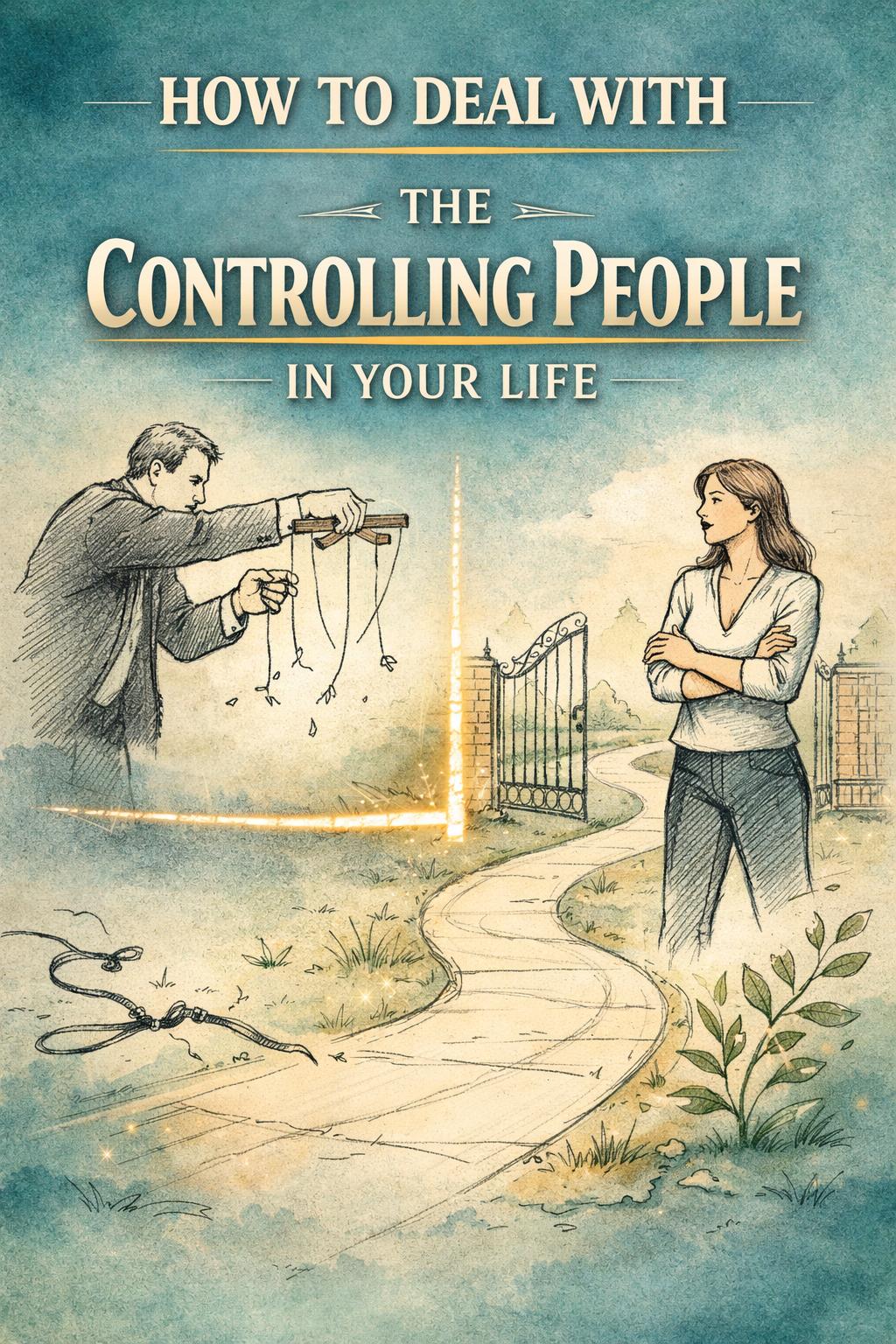

Controlling people exist in many areas of life. They might be family members, romantic partners, friends, or coworkers. These individuals try to make decisions for you, limit your choices, and shape how you live your life.
Dealing with controlling behavior requires setting clear boundaries, understanding why people act this way, and knowing when to get help. You can learn to protect your mental health while maintaining relationships with these people. The strategies you use will depend on who the controlling person is and how much influence they have over your life.
Recognizing the signs of a controlling person is the first step to taking back your power. Once you understand what controlling behavior looks like, you can start making changes that work for your situation. This guide will show you practical ways to handle controlling people without losing yourself in the process.
Key Takeaways
- You can identify controlling behavior by watching for patterns like guilt-tripping, isolation attempts, and decision-making interference
- Setting firm boundaries and communicating your needs clearly helps protect your independence and mental health
- Professional support becomes necessary when controlling behavior turns abusive or severely impacts your daily life
Recognizing Controlling Behaviors
Controlling people use specific patterns to influence and dominate others, often in ways that aren't immediately obvious. Learning to spot these behaviors helps you protect yourself and respond effectively.
Common Signs of Control
Controlling individuals often try to manage how others live their lives in subtle and not-so-subtle ways. They might insist on making decisions for you, even about small things like what you wear or what you eat for lunch.
Watch for these behaviors:
- They constantly check up on you or demand to know where you are
- They criticize your choices and decisions regularly
- They isolate you from friends and family
- They use guilt to get their way
- They refuse to compromise or consider your opinions
Some controlling people track your location, read your messages, or demand passwords to your accounts. Others might schedule your time without asking or tell you which friends you can see. These controlling patterns can appear in romantic relationships, friendships, family dynamics, and workplaces.
Emotional Manipulation Tactics
Emotional manipulation works because it targets your feelings rather than using direct force. Controlling people might use the silent treatment to punish you for not doing what they want.
They often play the victim when you set boundaries. For example, they might say “I guess I'm just a terrible person” when you express a need. This makes you feel bad and gives up on your request.
Common manipulation methods include:
- Gaslighting (making you question your memory or perception)
- Love bombing followed by withdrawal
- Constant criticism disguised as “helping”
- Using your insecurities against you
These tactics make you doubt yourself and feel like you're the problem. The controller avoids taking responsibility while keeping power over you.
Impacts on Relationships
Controlling behavior damages the trust and equality that healthy relationships need. You might feel like you're walking on eggshells, constantly worried about upsetting the other person.
Your self-esteem often suffers when someone controls you. You may start questioning your judgment or feel incapable of making good decisions. Many people in these situations lose touch with friends and family members.
The stress from dealing with control affects your mental and physical health. You might experience anxiety, depression, or feel constantly drained. Some people develop physical symptoms like headaches or stomach problems from the ongoing tension.
Controlling relationships prevent genuine closeness because one person holds all the power. You can't be yourself or share honest feelings without fear of consequences.
Understanding the Root Causes
Controlling behavior usually stems from deep emotional needs and past hurts rather than a desire to cause harm. People who try to control others are often dealing with their own internal struggles that drive them to seek power over their surroundings.
Psychological Motivations
Control is often a way of coping with pain, fear, or low self-worth. When someone feels anxious or uncertain, controlling others can give them a temporary sense of safety and predictability.
Fear plays a big role in controlling behavior. Someone might worry about losing a relationship, being abandoned, or getting hurt emotionally. By controlling situations and people around them, they believe they can prevent these feared outcomes from happening.
Low self-esteem also drives controlling actions. People who don't feel good about themselves may try to control others to feel more powerful or important. This gives them a sense of worth they can't find within themselves.
Some common psychological drivers include:
- Anxiety disorders that make uncertainty feel unbearable
- Perfectionism that demands everything happen a certain way
- Trust issues that make it hard to rely on others
- Need for validation from external sources
Effects of Past Experiences
Your past experiences shape how you expect others to behave and how you treat them. Many people with control issues develop these behaviors based on what happened to them earlier in life.
Childhood trauma often leads to controlling behavior in adulthood. If you grew up in a chaotic or unpredictable home, you might have learned that controlling your environment was the only way to feel safe.
People who experienced neglect or abandonment may become controlling to prevent similar situations from happening again. They hold tightly to relationships and situations because letting go feels dangerous.
Those who were controlled by parents or caregivers sometimes repeat these patterns. They learned that control equals love or care, even though it's actually harmful. This cycle continues until someone recognizes the pattern and works to change it.
Personality Traits Associated With Control
Certain personality characteristics make someone more likely to display controlling behaviors. These traits aren't necessarily disorders, but they do influence how people interact with others.
Narcissistic tendencies often appear in controlling people. They may have an inflated sense of their own importance and believe their way is always right. This makes it hard for them to accept other people's choices or opinions.
Rigid thinking is another common trait. Controllers often see things in black and white with no room for compromise or flexibility. They struggle when situations don't match their expectations.
High need for predictability drives many controlling behaviors. These individuals feel deeply uncomfortable with spontaneity or change. They try to plan and manage every detail to avoid surprises.
People with controlling tendencies may also show poor emotional regulation skills. When they feel upset or threatened, they respond by trying to control their environment rather than managing their internal feelings.
Setting Healthy Personal Boundaries
When dealing with controlling people, you need to establish clear limits about what behavior you will and won't accept. This means stating your boundaries directly, maintaining them over time, and handling resistance when it comes up.
Communicating Limits Clearly
You need to tell controlling people exactly what your boundaries are. Vague statements like “I need more space” won't work as well as specific ones like “I won't answer work emails after 7 PM” or “I need to make my own decisions about my finances.”
Healthy boundaries define what is appropriate behavior in your relationships and keep both people safe. When you communicate a boundary, use “I” statements that focus on your needs rather than attacking the other person. Say “I feel overwhelmed when you make plans for me without asking” instead of “You're too controlling.”
Pick a calm moment to have this conversation. Don't wait until you're angry or in the middle of a conflict. Keep your tone firm but respectful, and avoid over-explaining or apologizing for having needs.
Consistency in Enforcing Boundaries
Setting a boundary means nothing if you don't stick to it. Controlling people will often test your limits to see if you really mean what you say.
If you said you won't answer texts during family dinner, don't make exceptions “just this once.” Each time you give in, you teach the controlling person that your boundaries are negotiable. Living within the boundaries you create is crucial to lowering stress and increasing satisfaction in your relationships.
Follow through with the consequences you set. If you told someone you'll leave a conversation when they raise their voice, actually leave when it happens. Your actions show whether you're serious about your limits.
Dealing With Pushback
Controlling people rarely accept boundaries without resistance. They might guilt-trip you, act hurt, or claim you're being unreasonable.
Controlling people can be very manipulative and try to make you feel isolated from others. They may say things like “If you really cared about me, you wouldn't do this” or “You're being selfish.” Don't let these tactics work.
Stay calm and repeat your boundary without arguing. You don't need to justify your needs or convince them your limits are valid. If they continue to push, you might need to:
- End the conversation and walk away
- Reduce contact with the person temporarily
- Seek support from friends, family, or a counselor
- Reevaluate the relationship if they refuse to respect any boundaries
Remember that some people in your life may challenge or ignore boundaries, and that's a reflection of their behavior, not a sign that your boundaries are wrong.
Effective Coping Strategies
Learning to manage your reactions and protect your mental health becomes essential when dealing with controlling individuals. Building skills in stress management, clear communication, and community support helps you maintain your well-being while navigating these challenging relationships.
Managing Stress and Emotions
Controlling people can drain your energy and create constant tension in your life. You need ways to release this stress before it affects your health.
Taking time each day to calm your mind makes a big difference. Try deep breathing exercises where you breathe in for four counts, hold for four counts, and breathe out for four counts. You can also practice meditation for just five to ten minutes daily to help clear your thoughts.
Physical activity helps burn off the stress that builds up from difficult interactions. Go for a walk, do some stretching, or pick any exercise you enjoy. Your body releases natural mood boosters when you move.
Writing in a journal gives you a safe space to express feelings you might not share with others. Put your frustrations on paper without worrying about what anyone thinks. This practice helps you process emotions and see patterns in how controlling people affect you.
Practicing Assertive Communication
Speaking up for yourself clearly and calmly protects your boundaries without creating unnecessary conflict. Assertive communication sits between being passive and being aggressive.
Use “I” statements when you talk to controlling people. Say “I feel uncomfortable when you make plans for me without asking” instead of “You always try to control everything.” This approach focuses on your experience rather than attacking the other person.
Keep your responses short and direct. You don't need to over-explain your decisions or justify every choice you make. A simple “That doesn't work for me” can be enough.
Stay calm even when the other person gets upset. Controlling individuals often try to make you feel guilty or wear you down. Take a breath and repeat your point if needed. Setting boundaries with controlling people requires consistency in your communication.
Seeking Support From Others
You don't have to handle controlling people alone. Reaching out to others helps you stay grounded and reminds you that your feelings are valid.
Talk to friends or family members you trust about what you're experiencing. They can offer a different perspective and help you see when someone crosses a line. Sometimes you're too close to the situation to recognize patterns clearly.
Consider joining a support group where people share similar experiences. Hearing how others cope with manipulative and controlling behavior can give you new ideas and show you're not alone.
Professional help from a therapist provides tools specific to your situation. A counselor can teach you additional coping skills and help you work through complex emotions. They create a safe space where you can talk freely without judgment.
Deciding When to Seek Outside Help
Some situations with controlling people need more than personal strategies to resolve. Professional support can provide tools and guidance when dealing with controlling behavior becomes too difficult to manage alone.
Evaluating the Situation
You should consider getting help if the controlling behavior affects your daily life or mental health. Signs that you need support include feeling constantly anxious, losing sleep, or withdrawing from friends and family.
Pay attention to whether the controlling person's actions are getting worse over time. If they're starting to isolate you from loved ones or making you doubt your own judgment, these are red flags.
Your physical health matters too. Stress from controlling relationships can cause headaches, stomach problems, and other physical symptoms.
Think about whether you feel safe. Any controlling behavior that relates to abuse requires immediate professional intervention.
Ask yourself if you've tried setting boundaries but nothing has changed. When your efforts to improve the situation keep failing, it's time to seek outside help.
Finding Professional Resources
A therapist can help you cope with the stress of a controlling partner and develop strategies to protect yourself. Look for counselors who specialize in relationship issues or family dynamics.
Your doctor can refer you to mental health professionals in your area. Many employers offer employee assistance programs that provide free counseling sessions.
Online therapy platforms make it easier to connect with licensed therapists from home. These services often cost less than traditional in-person therapy.
Support groups let you talk with others facing similar challenges. You can find both in-person and online groups for people dealing with controlling people.
If you're in an unsafe situation, contact a domestic violence hotline for immediate help and resources.
Final Thoughts About Dealing with Controlling People
Dealing with controlling behavior takes practice and patience. You won't change these patterns overnight, but each small step you take matters.
Remember that you have the right to make your own choices. Your thoughts, feelings, and decisions are valid even when someone tries to make you doubt them.
Setting boundaries might feel uncomfortable at first. That's normal. The discomfort usually lessens as you get more practice standing up for yourself.
Here are some things to keep in mind:
- You can't control how others behave, only how you respond
- It's okay to ask for help from friends, family, or a therapist
- Taking care of your mental health should be a priority
- You deserve relationships built on respect, not control
Controlling people can be manipulative and make you feel isolated. If you notice this happening, reach out to people you trust. Don't let someone cut you off from your support system.
Pay attention to how you feel around certain people. If you regularly feel anxious, guilty, or confused after interactions with someone, those are important signals to notice.
There isn't a one-size-fits-all solution for every type of controlling person in your life. What works with a controlling coworker might be different from what works with a controlling family member.
Be kind to yourself through this process. Learning to handle difficult people is a skill that develops over time.