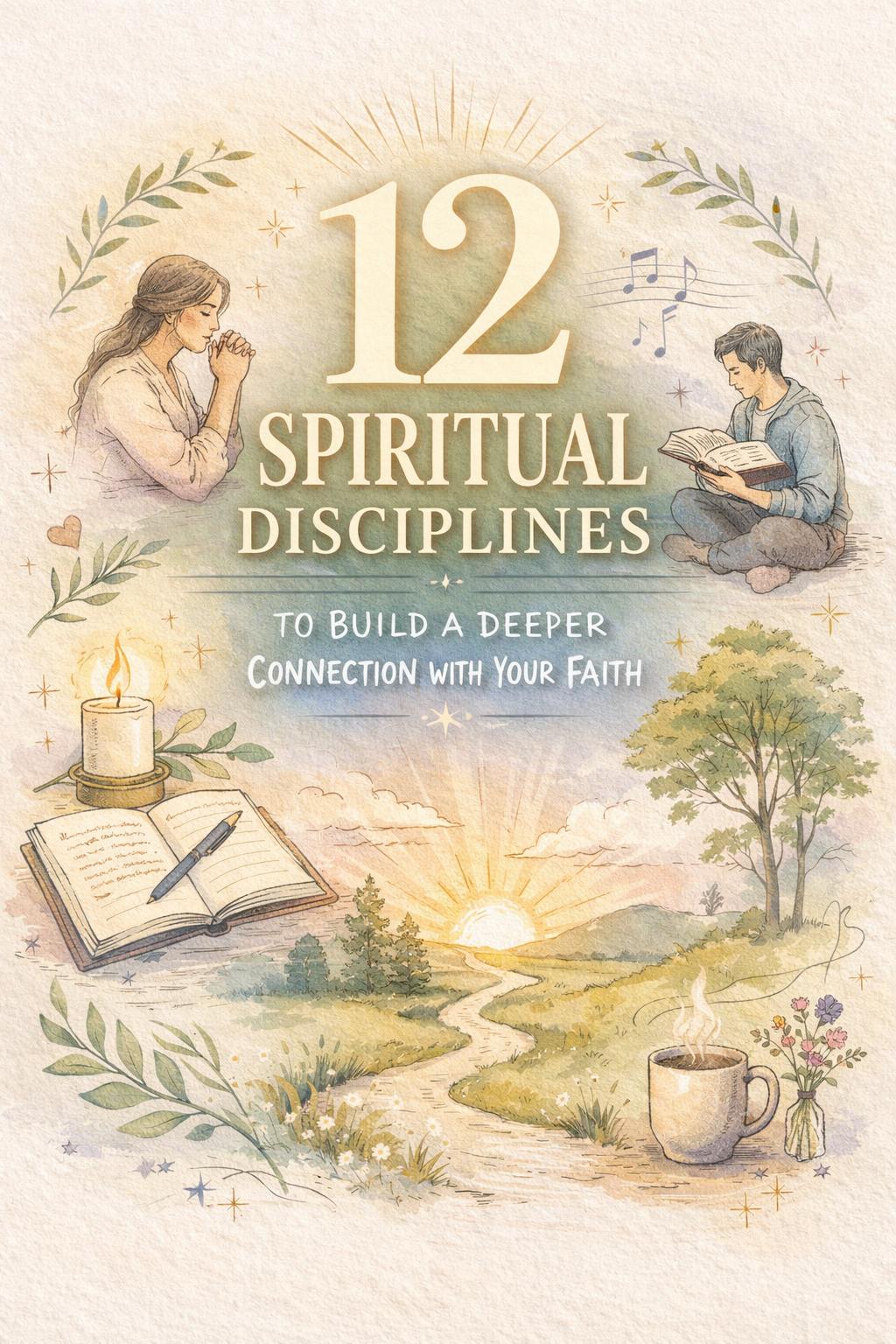

Many people want a closer relationship with God but aren't sure where to start or how to grow spiritually. You might feel stuck in your faith journey or wonder why your connection with God feels distant at times.
Spiritual disciplines are simple practices that help you draw near to God and experience His presence in your everyday life. These aren't complicated rules or religious duties. They're tools that Christians have used for centuries to stay connected to their faith and grow closer to Jesus. Through prayer, worship, service, and other biblical spiritual practices, you can build habits that strengthen your relationship with God.
This guide walks through practical ways to start using these disciplines in your daily routine. You'll learn about different practices like prayer, fasting, meditation, and service. You'll also discover how to overcome common obstacles and make these spiritual habits fit naturally into your busy schedule.
1) Daily Morning Prayer and Scripture Reading
Starting your day with prayer and Scripture reading sets the tone for everything that follows. When you give God the first moments of your morning, you invite His presence into your entire day. This simple practice can transform how you handle challenges and opportunities.
Morning prayer doesn't need to be long or complicated. You can talk to God like you would a trusted friend. Share what's on your heart, ask for guidance, and thank Him for another day.
Reading Scripture alongside your prayer time helps you hear God's voice through His Word. The practice of Bible study can take many forms, including reading from a physical book, using a digital device, or listening to an audio Bible. Pick whatever format works best for you and your schedule.
You might wonder how much time this takes. Even five to ten minutes makes a real difference. The key is doing it regularly, not perfectly.
Starting with a specific Bible reading plan can help you stay on track. You could read one psalm and one chapter from the Gospels each morning. Or you might follow a plan that takes you through the entire Bible over a year.
Prayer and Scripture work together powerfully. As you read God's Word, it gives you things to pray about. Your prayers help you apply what you've read to your actual life.
Some mornings will feel rushed or difficult. That's normal and expected. On those days, even a short prayer and one Bible verse is better than skipping the practice entirely.
The goal is building a sustainable devotional routine that fits your life. What works for someone else might not work for you, and that's okay. Find a rhythm that helps you connect with God consistently.
2) Weekly Personal Fasting (food or media)
Fasting means choosing to go without something for a spiritual purpose. You might think of it as giving up food, but it can also mean taking a break from media, social networks, or other daily habits.
The practice of fasting involves abstaining from food for spiritual reasons and is usually done alongside prayer. When you fast, you replace the time you would normally spend eating or scrolling with prayer and reflection. This creates space in your life to focus on God.
Starting with a weekly practice makes fasting more manageable. You could skip one meal each week or set aside a full day without food if your health allows it.
During your fast, you might notice how often you think about food or reach for your phone out of habit. These moments remind you of your dependence on God rather than physical comforts. Each time hunger hits or you feel the urge to check your device, you can turn that feeling into a prayer.
Media fasting works the same way as food fasting. When you take a break from television, social media, or your favorite apps for a day, you create room for spiritual growth. You might be surprised by how much mental space opens up when screens aren't filling your attention.
Your fast should always have a purpose beyond just going without something. Maybe you're seeking guidance about a decision, praying for someone in need, or wanting to grow closer to God. Having a clear intention helps you stay focused when the fast gets difficult.
Remember that fasting isn't about proving how strong you are or earning God's favor. It's a tool that helps train your spirit and deepen your connection with your faith. The goal is to depend more on God and less on the things that usually fill your time and attention.
If you have health conditions that make food fasting unsafe, a media fast can be just as meaningful. The point is to sacrifice something meaningful to you, not to put your health at risk.
3) Guided Christian Meditation on a Gospel Passage
Christian meditation differs from other forms of meditation because it focuses on God's Word and His truth. You spend time thinking deeply about Scripture instead of emptying your mind. This practice helps you understand what God is saying to you through the Bible.
When you meditate on a Gospel passage, you place yourself in the story with Jesus. You can imagine walking alongside Him as He teaches the crowds or sitting at His feet listening to His words. This type of reflection makes the Bible come alive in your daily life.
Start by choosing a short passage from Matthew, Mark, Luke, or John. Read it slowly several times to let the words sink in. Notice the details about what Jesus said, who was present, and what happened.
Ask yourself questions about the passage. What does this teach you about Jesus? How would you have felt if you were there? What is God showing you through these verses?
You can use apps to build a daily habit of meditating on Bible passages with structured reflection. These tools guide you through the meditation process with prompts and questions. They make it easier to stay focused during your quiet time.
Spend at least five to ten minutes on one passage. Don't rush through it or try to cover too much at once. The goal is depth, not speed.
Write down what you learn or sense God speaking to you. Keep a journal of your insights so you can look back and see how God has been working in your life. This practice turns meditation into a conversation with God rather than just reading words on a page.
You might find certain Gospel stories especially meaningful for your current situation. Return to those passages when you need encouragement or guidance. Let them shape how you think and act throughout your day.
4) Journaling Spiritual Reflections and Prayers
Writing down your thoughts and prayers creates a powerful record of your spiritual journey. You can track how God works in your life over time and see patterns you might otherwise miss.
Journaling as a spiritual discipline means writing down your thoughts, prayers, questions, and reflections as you follow your faith. It's not about perfect grammar or fancy writing. You simply put pen to paper and express what's on your heart.
When you journal, you slow down enough to notice what God is doing around you. This simple act helps you pay attention to the small moments that reveal bigger truths. You might write about a Bible verse that struck you or a conversation that made you think differently.
Prayer journaling lets you keep track of your requests and see how they're answered over time. You can write prayers in your own words, making them feel more personal and real. Some people find it easier to focus during prayer when they write instead of just thinking.
Your journal becomes a place where you can be completely honest with God. You don't have to filter your doubts, fears, or struggles. Writing them down often helps you process difficult emotions and find clarity.
Looking back at old journal entries shows you how God has been faithful in the past, which builds your trust for present challenges. You'll see prayers answered in ways you forgot about and problems that once seemed huge but were resolved. This reflection reminds you that God was there then and is with you now.
You don't need special supplies to start. A basic notebook and pen work just fine. Set aside a few minutes each day to write whatever comes to mind about your faith, your prayers, or what you're learning.
5) Sabbath Rest and Worship Practice
Taking a break from your busy week isn't just nice to have. It's a spiritual discipline that God designed for your well-being. Setting aside one day each week for rest helps you reconnect with what matters most.
Sabbath rest means stepping away from work and daily tasks. You create space to focus on God without distractions pulling at your attention. This practice goes back to creation when God rested on the seventh day.
Rest is a spiritual discipline that strengthens your faith when you practice it regularly. You give your mind and body time to recover from the week's demands. More importantly, you make room for worship and reflection.
Your Sabbath doesn't have to look like everyone else's. Some people observe it on Saturday while others choose Sunday. The specific day matters less than your commitment to honoring it consistently.
During your Sabbath, you can worship through prayer, singing, or attending church services. You might read Scripture, spend time in nature, or enjoy meals with loved ones. These activities help you remember God's goodness in your life.
Jesus defended the practice of doing good on the Sabbath. When religious leaders criticized him for healing people on the Sabbath, he asked if it was lawful to save life or destroy it. Helping others and showing kindness doesn't break the Sabbath.
Your Sabbath rest includes both stopping and starting. You stop the usual work routines and start activities that refresh your spirit. This balance keeps you from burning out spiritually and physically.
Many Christians find that practicing Sabbath transforms their entire week. When you know rest is coming, you can work with better focus. You carry peace from your day of rest into the days that follow.
Planning your Sabbath ahead of time helps you protect it. You might need to finish certain tasks before your rest day begins. Let others know you'll be unavailable for work matters during this time.
Worship becomes richer when you're not rushed or distracted. Your Sabbath gives you extended time to praise God and express gratitude. You can linger in prayer without checking the clock every few minutes.
This discipline reminds you that your worth doesn't come from productivity. God values you for who you are, not what you accomplish. Taking regular rest shows you trust God to handle things while you step back.
6) Small-Group Bible Study and Accountability
Studying the Bible on your own is valuable, but there's something special about learning with others. When you join a small group, you get to hear different views and ideas that you might have missed on your own. Other people can help you understand difficult passages and see how God's word applies to everyday life.
Small groups create a safe space where you can ask questions without feeling judged. You can share your struggles and doubts openly. This kind of honest conversation helps your faith grow in ways that studying alone cannot.
Accountability is a key part of small-group Bible study. When you meet regularly with the same people, they get to know you and your spiritual goals. They can check in on how you're doing and encourage you to keep going when things get hard.
Spiritual disciplines like prayer and confession can help push your group deeper into meaningful discussion. You might pray together, memorize verses as a team, or confess areas where you're struggling. These practices build trust and strengthen your relationships with each other and with God.
Your small group can also help you stay committed to other spiritual disciplines. When you tell others about your goals, you're more likely to follow through. Maybe you want to pray more or serve in your community. Your group can support you and hold you accountable.
The early church met in small groups in homes, breaking bread and learning together. Following this example connects you to a long history of believers who grew stronger through community. You don't have to walk your faith journey alone.
Look for a small group at your church or start one with friends. Incorporating refreshing practices into your life through small groups can transform how you experience faith. Meeting weekly or biweekly gives you regular touchpoints to discuss what you're learning and how you're applying it.
7) Regular Service and Volunteer Ministry
Service to others is a key way to grow your faith and connect with God's purpose for your life. When you serve people in need, you follow Jesus's example of putting others first.
The Bible teaches that disciple-making requires actively seeking opportunities to share the gospel and help others grow in faith. This doesn't happen by accident. You need to make a plan and commit to regular service.
Volunteer ministry can take many forms in your daily life. You might serve at a food bank or homeless shelter. You could help with children's programs at church or visit elderly members of your community.
Service gets you out of your own head and focused on the needs around you. It helps you see where God is working in the world. When you volunteer, you often receive more than you give.
Regular service also builds connections with other believers. Working alongside fellow Christians in service strengthens your faith community. You learn from each other and encourage one another.
Start small if you're new to volunteer work. Pick one area where you can serve each month. As it becomes a habit, you can add more opportunities.
The key is consistency rather than doing everything at once. Regular service means making it part of your routine, not just something you do when it's convenient. Set aside specific times for ministry and stick to them.
Your service doesn't always need to be through formal programs. Simple acts like helping a neighbor or mentoring someone count too. Look for ways to serve in your everyday interactions.
Remember that service should come from a willing heart, not obligation. When you serve out of love for God and others, it transforms both you and the people you help.
8) Memorizing Short Scripture Verses
Memorizing short Bible verses helps you keep God's word close to your heart throughout your day. When you commit scripture to memory, you create a tool you can use anytime you need guidance, comfort, or strength.
You don't need to memorize long passages to benefit from this practice. Starting with just a few words or a single verse makes the task feel less overwhelming.
Prayer plays a crucial role in your scripture memorization as you invite the Holy Spirit to help you remember and understand what you're learning. This spiritual discipline strengthens your faith over time and deepens your relationship with God.
Pick verses that speak to your current situation or challenges. You might choose a verse about peace if you're feeling anxious, or one about strength if you're going through a difficult time.
Repetition is your best friend when memorizing scripture. Say the verse out loud several times each day until it becomes natural. You can also write it down, put it on a sticky note where you'll see it often, or set it as a reminder on your phone.
The beauty of memorizing scripture as a spiritual discipline is that it transforms how you think and respond to life's situations. When you face a problem, the verses you've memorized can come to mind and guide your decisions.
Start with just one verse this week. Once you feel confident with it, add another. Building this habit slowly helps you stick with it for the long term.
You can memorize while doing everyday activities like washing dishes, driving, or taking a walk. These moments turn into opportunities to fill your mind with truth.
9) Silence and Solitude Retreats (half-day or day)
Taking time away from your busy life to sit in silence might feel strange at first. You're used to constant noise from phones, music, and conversations. But silence and solitude are essential practices for deepening your walk with Christ.
A silence and solitude retreat gives you dedicated time to step away from daily distractions. You can choose a half-day retreat if you're just starting out, or commit to a full day when you're ready for more.
During these retreats, you make space to hear God's voice more clearly. The constant noise in your life can drown out the quiet ways God speaks to you. This practice gives you an opportunity to make way for God's voice in the sea of other voices competing for your attention.
You don't need to travel far or spend money on fancy retreat centers. You can sit in silence and simply invite God's presence in your own home or backyard. Take a walk alone without your phone or music, and just talk and listen to God.
Many retreat centers offer structured silence and solitude experiences based on classic spiritual disciplines. These programs let you make your own decisions about how to use your time. Some retreats include guided meditations and devotions to help you enter into silence and listen for God at work in your heart.
The goal isn't to escape from your life. You're creating space to be fully present with God. This time helps you rest and reconnect with Him in ways that your normal routine doesn't allow.
Start small if a full day feels overwhelming. Even a few hours of intentional silence can refresh your spirit and help you hear God more clearly.
10) Confession and Repentance Prayer Routine
Confession is more than just saying sorry. It's an admission of sin followed by repentance that helps you grow closer to God.
You can practice confession in different ways depending on what feels right for your situation. Private confession happens between you and God alone. Personal confession involves sharing with a trusted believer who can support you. Public confession means admitting your struggles to a larger group.
The Bible teaches that hiding your mistakes won't help you move forward. Proverbs 28:13 explains that whoever conceals their wrongdoings will not prosper, but those who confess and turn away from them will receive mercy.
Creating a regular confession routine helps you stay honest about your spiritual journey. You might set aside time each day or week to reflect on where you've fallen short. This isn't about beating yourself up but about being real with God.
Start your confession time by asking God to show you areas where you need to change. Write down what comes to mind in a journal or simply speak it out loud in prayer. Be specific about what you did wrong and why it matters.
Repentance goes hand in hand with confession. After you admit your mistakes, you need to turn away from them and choose a different path. This means making real changes in your actions and attitudes.
Confession removes any façade you put up that covers your deepest weaknesses and failures. When you're honest about your struggles, you open the door for God's healing and transformation.
You don't need fancy words or a perfect prayer formula. God cares more about your honest heart than your polished language. Tell Him what's really going on inside you.
Some people find it helpful to confess to another person they trust. This could be a pastor, mentor, or close friend who shares your faith. Speaking your struggles out loud to someone else can make them feel less powerful.
Make confession a habit rather than something you only do when you feel guilty. Regular confession keeps your relationship with God clear and open. It helps you notice patterns in your behavior that need attention.
Remember that confession isn't just about feeling bad. It's about experiencing freedom and moving forward in your faith with a clean slate.
11) Daily Examen (Ignatian reflective prayer)
The Daily Examen is a prayer practice created by St. Ignatius of Loyola as part of his Spiritual Exercises. It helps you look back on your day to notice where God was present in your life.
This prayer of reflection doesn't require specific words or scripts. Instead, it gives you guidelines to review your actions, thoughts, emotions, and desires with God.
The practice invites you to find God in all things by paying close attention to how the Spirit moves in each moment of your daily life. You take a closer look at ordinary moments to encounter the Divine.
Praying the Daily Examen typically happens once a day at a time that works best for your schedule. Many people choose to practice it before bed so they can reflect on the full day.
The prayer usually follows a simple structure. You start by becoming aware of God's presence and taking a few deep breaths to center yourself.
Next, you review your day with gratitude. Think about the moments that brought you joy or peace and thank God for them.
Then you look through your day more carefully. Notice when you felt close to God and when you felt distant. Pay attention to your feelings and reactions to different situations.
You can also identify moments where you could have made better choices. This isn't about feeling guilty but about learning and growing.
Finally, you look forward to tomorrow. Ask God for guidance and grace to handle what comes next.
The Examen becomes more than just a prayer when you practice it regularly. It turns into a way of life that helps you stay in open dialogue with God throughout the day.
This practice deepens your faith by helping you recognize how God's presence integrates with your daily life. You learn to see the sacred in the ordinary and understand how God works through everyday moments.
12) Practicing Gratitude with a Thankfulness List
Gratitude as a spiritual discipline helps you recognize the good things in your life and thank God for them. A thankfulness list is a simple tool that makes this practice concrete and regular. You write down specific things you're grateful for instead of just thinking about them.
Start with a notebook or journal dedicated to gratitude. Each day, write down three to five things you're thankful for. These can be big blessings like your health or small joys like a good cup of coffee.
The key is being specific. Instead of writing “family,” you might write “my sister called to check on me today.” Specific details help you remember real moments of grace in your life.
Practicing gratitude deepens your connection with both God and the people around you. When you write things down, you train your mind to notice blessings throughout the day. You start looking for things to add to your list.
Try keeping your list in different ways to find what works for you. Some people prefer writing at night to reflect on their day. Others like morning gratitude to start the day with a positive focus.
You can also create themed lists. Write what you're thankful for in your relationships one day and in nature the next. This variety keeps the practice fresh and helps you see God's goodness in different areas.
Expressing appreciation to others strengthens your gratitude practice even more. When you write about someone's kindness, consider telling them. Share your thankfulness through a text, call, or note.
Review your past entries when you face hard times. Your thankfulness list becomes a record of God's faithfulness. Reading old entries reminds you that blessings continue even when life gets difficult.
The discipline isn't about forcing fake happiness. You can be honest about struggles while still noticing moments of goodness. Gratitude means being thankful even when you cannot see everything you have.
Make your list a form of prayer. As you write each item, thank God directly for that blessing. This turns your list into a conversation with God instead of just a writing exercise.
Consistency matters more than perfection. If you miss a day, just start again the next day. The goal is building a habit of noticing and recording God's goodness in your life.
Common Challenges and How to Overcome Them
Building spiritual disciplines takes effort, and you'll face obstacles like inconsistency and impatience. Learning to pace yourself and trust the process will help you stay grounded.
Staying Consistent Without Burnout
Starting too many disciplines at once often leads to burnout. Pick one or two practices to focus on first, like prayer and Bible study.
Set realistic goals that fit your schedule. If you can only pray for five minutes each morning, that's better than planning for an hour and never following through.
Track your progress without being rigid. Missing a day doesn't mean you've failed. Simply start again the next day.
Create specific times for your practices. Tying them to existing habits makes them easier to remember. You might pray right after your morning coffee or read Scripture before bed.
Processing your emotions during spiritual challenges actually strengthens your faith journey. Don't hide frustration or confusion when disciplines feel hard.
Take breaks when needed. Rest is itself a spiritual discipline, and pushing yourself too hard damages your connection with God rather than deepening it.
Cultivating Patience as You Growth
Spiritual growth happens slowly. You won't see major changes in your faith after just a few days or weeks of practice.
Comparing yourself to other believers creates unnecessary pressure. Your journey is unique, and God works differently in each person's life.
Focus on small wins rather than dramatic transformations. Notice when prayer feels slightly easier or when Scripture speaks to you in new ways.
Keep a simple journal to record insights from your spiritual practices. Looking back after several months will show progress you can't see day-to-day.
Remember that spiritual disciplines are training tools rather than instant fixes. Like physical exercise, they require regular practice over time.
Extend yourself the same grace God offers. Growing in faith involves setbacks, questions, and periods of feeling distant from God.
Integrating Spiritual Practices Into Daily Life
Building a consistent spiritual practice requires fitting these disciplines into your everyday schedule and making them work with your personal faith journey. The key is starting small and finding ways to blend traditional practices with what feels right for you.
Creating a Supportive Routine
The best way to make spiritual disciplines a regular part of your life is to attach them to activities you already do each day. You might pray while drinking your morning coffee or read scripture during your lunch break.
Start with just one or two practices instead of trying to do everything at once. Pick a specific time and place for your spiritual activities so they become automatic. Many people find success with morning prayer, but you should choose whatever time works best for your schedule.
Simple ways to build your routine:
- Set a daily alarm as a reminder to pray or meditate
- Keep a Bible or devotional book next to your bed
- Use your commute time for worship music or prayer
- Practice gratitude before meals
- End your day with a brief reflection or journal entry
You can also stack spiritual habits together. For example, you might read scripture, then pray about what you read, then write down your thoughts. This creates a natural flow that makes the practice easier to maintain over time.
Blending Traditions and Personal Beliefs
Your spiritual practice should fit who you are and what you believe. While training in spiritual disciplines follows biblical guidance, you can adapt how you practice them to match your personality and circumstances.
Some people connect deeply with traditional liturgy and formal prayers. Others prefer spontaneous prayer and modern worship. Both approaches are valid ways to grow closer to God.
Ways to personalize your practice:
| Traditional Approach | Personal Adaptation |
|---|---|
| Structured prayer times | Conversational prayer throughout the day |
| Fasting from food | Fasting from social media or TV |
| Church-based fellowship | Small group meetings or accountability partners |
| Formal Bible study | Devotional reading with journaling |
You might combine elements from different Christian traditions that speak to you. Maybe you light candles during prayer like liturgical churches do, but also use contemporary worship music. The goal is creating practices that help you connect with God in meaningful ways, not following rules that feel empty or forced.
Final Thoughts About Spiritual Disciplines
Growing closer to God doesn't happen by accident. It takes intention and practice, just like building any important relationship in your life.
The 12 spiritual disciplines practiced by Jesus give you a clear path forward. You don't need to master all of them at once.
Start small and build from there. Pick one or two disciplines that feel right for where you are today. Maybe it's daily prayer or reading Scripture for 10 minutes each morning.
The key is consistency, not perfection. You'll have days when you miss your practice or feel disconnected. That's normal and okay.
Remember these important points:
- Spiritual growth is a journey, not a destination
- Every small step counts
- Grace matters more than getting it all right
- Community support helps you stay committed
Your relationship with God is unique to you. What works for someone else might not fit your life or personality. Training yourself for godliness means finding practices that draw you closer to God.
Give yourself permission to experiment. Try different disciplines and see which ones help you feel more connected to your faith. The goal isn't to check boxes but to know God better.
Your faith can grow deeper starting today. You already have everything you need to begin.