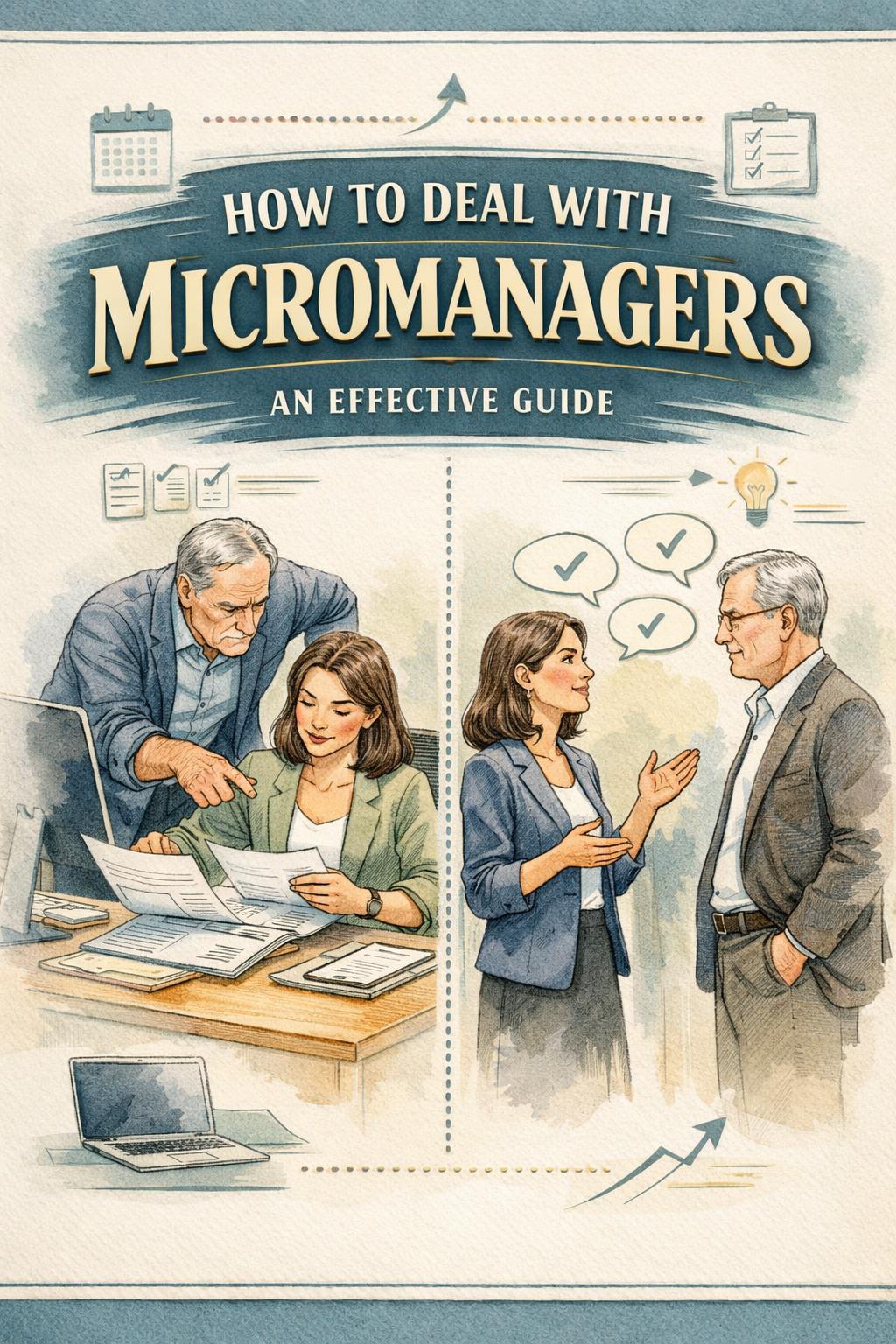

A boss who constantly looks over your shoulder, questions every decision, and wants updates on even the smallest tasks can make work feel exhausting. Learning to deal with micromanagers effectively involves understanding their behavior, improving communication, and setting healthy boundaries while maintaining a good working relationship. You don't have to feel stuck or helpless when facing this challenge.
Micromanagement can hurt your confidence and make you feel like your skills aren't valued. The good news is that you can take steps to improve the situation. Whether you need to handle a micromanaging boss through better communication or build more trust with your manager, there are proven methods that work.
This guide will show you how to spot the signs of micromanagement, talk to controlling managers in ways that help rather than hurt, and protect your mental health at work. You'll learn practical strategies that can help you gain more freedom and feel better about your job.
Key Takeaways
- Identifying specific micromanagement behaviors helps you address the real issues instead of feeling generally frustrated
- Open communication and showing consistent results builds trust that can reduce excessive oversight from your manager
- Using coping strategies and seeking support when needed protects your wellbeing while you work on long-term solutions
Recognizing Micromanagement Behaviors
Micromanagers often show specific patterns like watching every move you make, refusing to delegate tasks, and demanding updates multiple times per day. Understanding these behaviors helps you identify the problem early and address it before it affects your work and mental health.
Common Signs in the Workplace
Micromanagers typically hover over your workspace and watch you complete tasks instead of letting you work independently. They check in constantly through emails, messages, or in-person visits asking for updates on projects you just discussed.
You might notice they refuse to delegate meaningful work to you. Instead, they keep important tasks for themselves or take back assignments they already gave you. Constant supervision includes standing or sitting near you while you work, which creates an uncomfortable and distracting environment.
They often require approval for small decisions you could easily make yourself. Every detail needs their review before you can move forward. This includes things like email responses, minor formatting choices, or routine tasks you've done successfully many times before.
Micromanagers also tend to focus on how you complete tasks rather than the results you achieve. They insist you follow their exact methods even when your approach works just as well or better.
Root Causes and Motivations
Many micromanaging behaviors stem from personal anxieties rather than problems with your performance. Your manager might feel insecure about their own position or fear that mistakes will reflect poorly on them.
Some managers lack confidence in their team's abilities. This often happens when they were recently promoted and struggle to shift from doing the work themselves to leading others. They worry that giving up control means things won't get done correctly.
Managers who micromanage often fail to recognize that they're engaging in these behaviors. They believe their close involvement helps the team succeed. Past experiences with failed projects or team members who needed extra guidance can reinforce these habits.
Short- and Long-term Impacts on Employees
Micromanagement immediately affects your daily work experience. You feel less trusted and valued when someone constantly checks your work. This creates stress and makes simple tasks take longer because you're waiting for approval at every step.
Your motivation and job satisfaction drop quickly under micromanagement. You stop taking initiative because you know your manager will override your decisions anyway. Creative problem-solving decreases since you're forced to follow rigid procedures.
Over time, micromanagement has toxic effects on relationships between you and your manager. The constant oversight damages trust and creates resentment. Your professional growth stalls because you're not learning new skills or taking on challenging responsibilities.
Long-term exposure leads to burnout and exhaustion. Many employees working under micromanagers start looking for new jobs. The workplace becomes somewhere you dread going each day rather than a place where you feel engaged and productive.
Communicating with Overbearing Managers
Talking with a micromanaging boss requires you to be direct about your work style while showing respect for their concerns. You need to start honest conversations, set limits on how much oversight you'll accept, and listen carefully to understand what drives their behavior.
Initiating a Constructive Conversation
You should schedule a one-on-one meeting with your manager to discuss your working relationship. Pick a calm time when neither of you feels rushed or stressed.
Start the conversation by focusing on your shared goals. You might say something like “I want to make sure I'm meeting your expectations” rather than “You're micromanaging me.” This keeps things positive and solution-focused.
Come prepared with specific examples of tasks you've completed successfully. This shows you're capable and builds trust. You can also ask what success looks like for your role and how often they'd like updates.
Effective communication is key when addressing management style differences. Be ready to suggest a trial period where you work with more independence and check in at agreed-upon times.
Setting Clear Boundaries
You need to define what level of involvement works for both of you. Suggest a regular check-in schedule instead of constant updates throughout the day.
Be specific about your preferred work style. For example, you might say “I work best when I can complete a full draft before getting feedback” or “I'd like to send you end-of-day summaries instead of hourly updates.”
Key boundaries to establish:
- Communication frequency (daily, weekly, or project-based)
- Preferred update methods (email, meetings, or project management tools)
- Decision-making authority for routine tasks
- Response time expectations
Don't apologize for needing space to do your work. You can be friendly while still being firm about what you need to succeed.
Active Listening Techniques
When your manager gives feedback or instructions, show you're paying attention. Make eye contact, nod, and take notes if needed.
Repeat back what you heard to confirm understanding. You might say “So you'd like me to finish the report by Friday and include data from the last quarter, is that right?” This prevents misunderstandings and shows you're engaged.
Ask questions to get at the real concern behind their actions. Sometimes micromanagement happens because managers feel anxious about project outcomes. Questions like “What's your biggest concern about this project?” can reveal the true issue.
Pay attention to why they're giving certain instructions, not just what they're saying. Understanding their motivations helps you address their worries proactively in future work.
Building Trust and Autonomy
The path out of micromanagement depends on showing your manager they can count on you while also asking for more control over your work. These two steps work together to create a healthier working relationship.
Demonstrating Reliability
You need to prove you can handle your work without constant supervision. Start by giving your manager updates before they ask for them. This proactive communication builds trust and shows you're on top of your tasks.
Keep a record of your completed work and accomplishments. When you can point to specific results, your manager has less reason to worry about your progress.
Meet your deadlines consistently. If you think you'll miss a deadline, tell your manager right away with a plan to fix the situation.
Ways to show reliability:
- Send weekly progress reports
- Update project management tools regularly
- Respond to messages promptly
- Flag potential problems early
- Document your decisions and reasoning
Ask for feedback on your work and actually use it. This shows you care about doing things right and want to improve.
Requesting Opportunities for Independence
Once you've built some trust, you can ask for more freedom in how you work. Start small by requesting autonomy on a single project or task. This gives your manager a chance to see you can handle independence without feeling like they're losing control.
Be specific when you ask for more space. Instead of saying “stop checking on me,” try “I'd like to run the client presentation on my own and update you afterward.”
Explain how autonomy helps you work better. Granting autonomy signals trust and leads to increased job satisfaction. Your manager might not realize that stepping back could actually improve your performance.
Suggest a trial period where you work more independently. You can agree to check in at specific times so your manager still feels informed without hovering over every detail.
Adopting Personal Coping Strategies
Working with a micromanager requires you to develop personal resilience and maintain your emotional well-being. Managing your stress levels and keeping a professional attitude helps you stay productive and protects your mental health.
Practicing Stress Management
Dealing with constant oversight can drain your energy and increase anxiety. You need to find healthy ways to manage these feelings before they affect your work performance.
Take regular breaks throughout your day to step away from your desk. Even a five-minute walk or breathing exercise can help you reset your mind. Physical activity releases tension that builds up from feeling watched or controlled.
Micromanagement can have toxic effects on your well-being, so setting boundaries between work and personal time becomes critical. Leave work at work when possible. Turn off email notifications after hours and resist the urge to check messages constantly.
Talk to trusted friends or family members about your frustrations. Sometimes just voicing your concerns helps you process difficult emotions. You might also consider speaking with a professional counselor if the stress becomes overwhelming.
Practice mindfulness techniques like meditation or journaling. These activities help you stay grounded and maintain perspective on challenging situations.
Maintaining Professionalism
Your boss's micromanaging behavior doesn't give you permission to act unprofessionally. Keep your composure and continue doing quality work regardless of how closely you're monitored.
Avoid complaining about your manager to coworkers. Venting might feel good temporarily, but it can damage your reputation and create a negative work environment. If you need to discuss the situation, do so privately with HR or a trusted mentor outside your department.
Respond to requests promptly and politely, even when they seem excessive. Stay calm during check-ins and provide clear, factual updates without showing frustration. Your professional response might actually help ease your manager's need for control over time.
Document your work and communications to protect yourself. Keep records of completed tasks, decisions made, and feedback received. This documentation proves valuable if conflicts arise later.
Focus on what you can control—your attitude, work quality, and responses. You can't change your manager's behavior, but you can choose how you react to it.
Seeking Support and Ongoing Solutions
When direct strategies don't resolve micromanagement issues, you need to use formal channels and keep detailed records. These steps protect you and create a clear path toward lasting improvements.
Leveraging HR and Organizational Resources
Your human resources department exists to help with workplace challenges like micromanagement. Schedule a confidential meeting with an HR representative to discuss your situation. Bring specific examples of behaviors that limit your ability to work effectively.
HR can offer several solutions. They might facilitate a mediation session between you and your manager. They can also provide coaching for your micromanaging boss to help them develop better management habits.
Some companies offer employee assistance programs that include professional coaching. A coach can help you develop coping strategies and communication skills. They'll guide you to see different perspectives on the problem.
You can also talk with other leaders in your organization. A mentor or senior colleague might offer advice based on their experience. They may know effective ways to handle micromanagers within your specific company culture.
Documenting Interactions
Keep a detailed record of your interactions with your micromanaging boss. Write down dates, times, and what happened during each incident. Include emails, messages, and notes from meetings.
Your documentation should focus on observable facts, not feelings. Note when your manager requested unnecessary updates or changed approved work without explanation. Record instances where they bypassed normal processes to check on minor details.
This record serves multiple purposes. It helps you identify patterns in the micromanagement behavior. You can use it to prepare for conversations with HR or upper management. Clear documentation also protects you if the situation affects your performance reviews or career growth.
Store your records in a secure location outside of company systems. Update them regularly while events are fresh in your memory.
Final Thoughts About Dealing with Micromanagers
Working with a micromanager can be frustrating, but you have more control than you might think. The key is to understand that micromanagement often stems from anxiety or fear rather than a lack of trust in you personally.
Remember these important points:
- Most micromanagers don't realize how their behavior affects others
- Clear communication can prevent many micromanagement issues
- You can't change someone else, but you can change how you respond
Start by building trust through regular check-ins and proactive updates. This shows your manager that you're on top of your work without them having to ask.
If the situation doesn't improve, you have options. You can have an honest conversation with your manager about boundaries. You can also involve HR if the micromanagement is affecting your wellbeing.
Sometimes despite your best efforts, the relationship won't change. That's okay. It's not a reflection of your abilities or worth as an employee.
Keep documenting your work and accomplishments. This protects you and shows the value you bring to the team. Focus on what you can control, like your attitude and responses.
Your mental health matters more than any job. If you've tried everything and nothing works, it might be time to look for a new opportunity where you can thrive.